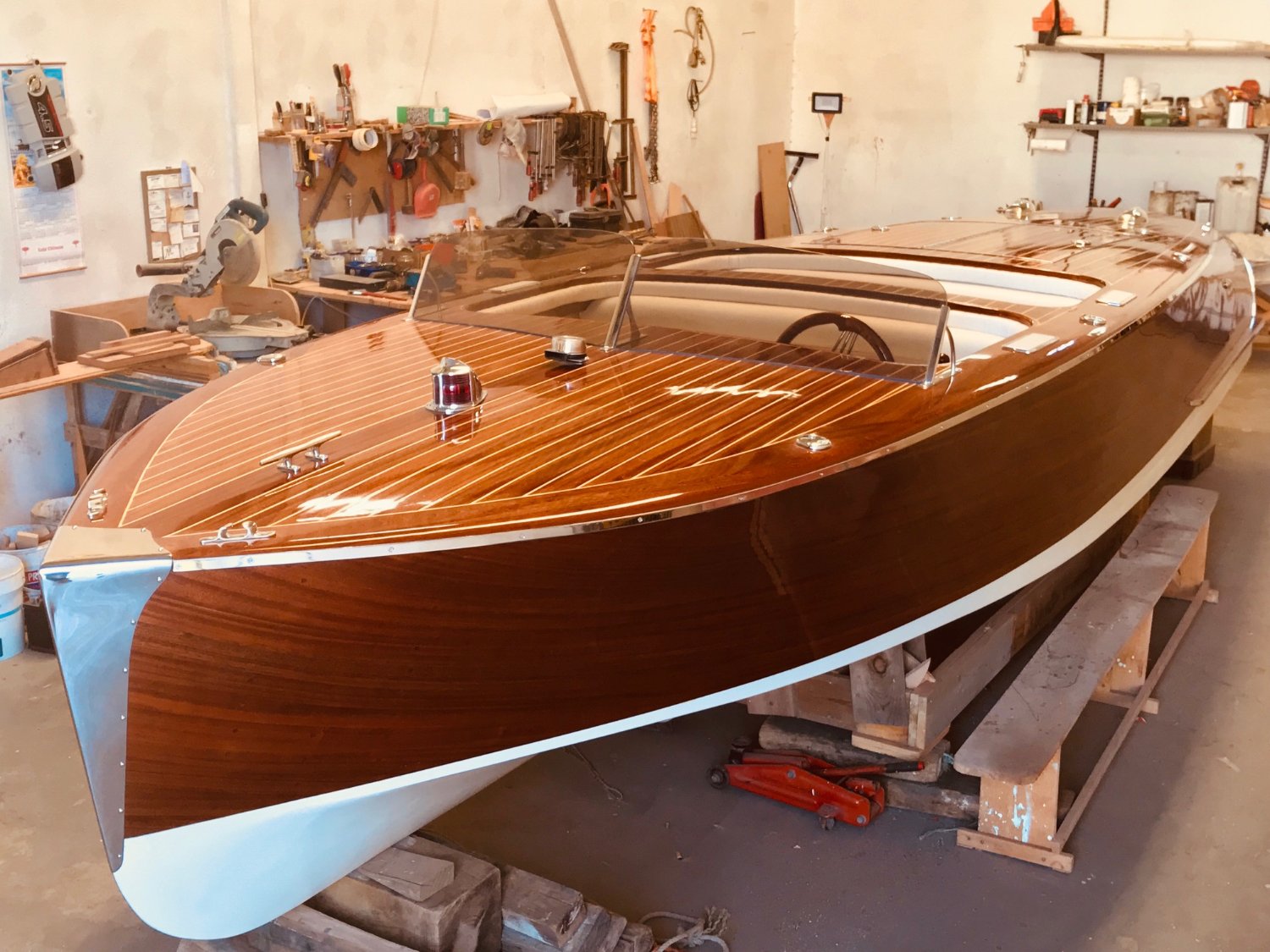
How to Build Wooden Boat with Traditional Crafting Techniques

,
How to Build Wooden Boat with Traditional Crafting Techniques

Beyond the Plans: Unveiling Hidden Dimensions in Traditional Boatbuilding

Building a wooden boat using traditional techniques is a deeply rewarding journey, a blend of art, science, and sheer grit. While countless books detail the *how*, "How to Build a Wooden Boat with Traditional Crafting Techniques" (let's assume this is the book's title for this review) often overlooks the nuanced, often unspoken aspects of the craft. This review aims to address those gaps, exploring the less-trodden paths of this timeless skill.

The Unsung Hero: Understanding Wood's "Personality"

Most guides focus on species selection, but what about the *individual* timber’s character? Each tree, like each person, possesses unique growth patterns, stresses, and inherent weaknesses. This isn’t just about knots; it’s about the subtle variations in grain density, the way the wood responds to the plane, its inherent tendency to warp or cup.

Q: How can I better assess the individual character of each timber plank before committing to a specific location within the boat's structure?

A: Beyond the visual inspection, consider non-destructive testing. A moisture meter helps, but taking small, inconspicuous shavings and examining them under magnification can reveal hidden grain complexities. Even a simple tap test â€" listening to the subtle differences in the sound â€" can offer clues about density variations.

Q: What if I discover unforeseen defects after a significant amount of work has already been done?

A: This is where the true artisan shines. Embrace the challenge. Traditional boatbuilding was always about adaptation. A master craftsman might cleverly incorporate a flawed section into a less critical area, using its quirks to inform the design. Documentation is key here; sketching alternative solutions as you go allows for creative problem-solving without compromising the integrity of the project. This iterative process is often overlooked in instructional manuals.

The Living Legacy: Connecting with Boatbuilding History

Building a boat isn't just about following instructions; it's about engaging with centuries of maritime tradition. The techniques themselves represent a lineage of knowledge passed down through generations.

Story: The "Ghost" of the Shipwright

I once spoke to a seasoned boatbuilder who described the almost spiritual connection he felt to his work. He talked about "listening" to the wood, sensing its inherent strengths and weaknesses, a skill refined over decades of practice. He likened it to communicating with the generations of shipwrights who came before him, their experience echoing in the very grain of the timber. This isn’t mysticism; it’s the deep understanding of material and process honed over time. Modern books often skip this crucial emotional and historical aspect.

Sustainable Solutions: Modernizing Traditional Practices

While embracing tradition, it’s crucial to consider contemporary ecological concerns. Sourcing sustainably harvested timber and exploring alternative, environmentally friendly joinery techniques are becoming increasingly important.

Q: How can I balance the authenticity of traditional boatbuilding with environmentally sound practices?

A: Seek out certified sustainable lumber sources. Explore alternative joining techniques that minimize waste, such as utilizing epoxy resins in strategic areas or employing more efficient scarf joints. Consider using reclaimed timber where appropriate, adding a unique historical layer to your project while contributing to circular economy practices. The boat becomes not only a testament to craftsmanship but also to environmental responsibility.

In conclusion, "How to Build a Wooden Boat with Traditional Crafting Techniques," while valuable, provides a blueprint, not a holistic experience. By exploring the wood's individual character, connecting with the history of the craft, and incorporating sustainable practices, boatbuilders can elevate their projects beyond mere construction to a deeply personal and meaningful endeavor. The resulting vessel becomes more than just a boat; it becomes a testament to skill, knowledge, and a lasting connection to the sea and the traditions of boatbuilding.

Read more →

How to Make a Wooden Boat with Step-by-Step Plans and Instructions

,
How to Make a Wooden Boat with Step-by-Step Plans and Instructions

Beyond the Plans: Uncharted Waters in Wooden Boat Building

“How to Make a Wooden Boat with Step-by-Step Plans and Instructions” â€" the title itself conjures images of meticulous craftsmanship and salty sea air. But beyond the familiar satisfaction of following a well-worn path, lies a wealth of unexplored territory. This review isn't about reiterating the basics; it's about diving deeper into the less-discussed aspects of wooden boat construction, offering new perspectives for both seasoned builders and enthusiastic beginners.

The Unsung Hero: Material Selection Beyond the Textbook

Most plans prescribe specific wood types. But what if your local lumberyard doesn't stock that particular exotic hardwood? Or what if sustainability is a primary concern? This leads us to a crucial, often overlooked aspect: exploring alternative wood choices.

Q: Can I substitute wood types? What are the implications?

A: Absolutely! But careful consideration is essential. Using a different wood type will impact the boat's weight, strength, and durability. For instance, substituting a denser hardwood like teak for a softer wood like pine will result in a heavier but potentially more robust vessel. However, it also impacts cost significantly. Research the properties of potential substitutes (density, strength, rot resistance) using resources like the USDA Forest Products Laboratory's online database. Consider also the environmental impact â€" sustainably sourced lumber should always be prioritized.

Q: What about reclaimed or recycled wood?

A: Reclaimed wood offers unique character and environmental benefits. Think old barn beams or salvaged timbers. However, carefully assess the wood's condition for rot, insect infestation, and structural integrity before use. This requires more upfront inspection and potentially more specialized treatment (e.g., fungicide application).

Beyond the Blueprint: Embrace the Imperfect and Innovate

While precise plans are vital, rigidly adhering to them can stifle creativity. Experienced boat builders often emphasize the importance of adapting plans to your specific needs and skills.

Real Story: The Adaptable Dory

A friend of mine, an experienced woodworker, decided to build a classic dory. However, he lacked access to the specified cedar planks. Instead, he ingeniously combined readily available cypress planks with carefully chosen marine plywood, achieving a visually stunning and structurally sound result. His adaptation not only saved him money but also resulted in a boat with unique character.

Q: How can I adapt plans for different skill levels?

A: Beginners might simplify complex joinery techniques, opting for robust, easier-to-execute alternatives. More advanced builders can experiment with more intricate designs and advanced finishing techniques. The key is to understand the structural implications of any modifications and to consult reliable woodworking resources for advice.

The Digital Age Meets Traditional Craftsmanship

Today's boat builders have access to invaluable digital tools that can enhance the traditional building process.

  • 3D modeling software: Allows for virtual prototyping, enabling you to visualize your design before cutting a single piece of wood, minimizing errors and waste.
  • Online communities and forums: Provide a wealth of knowledge and support from experienced boat builders who can offer guidance and troubleshoot problems.
  • Laser cutting for precise components: Can significantly speed up and improve the accuracy of complex components like intricate patterns or custom fittings.
  • By integrating these digital resources effectively, builders can enhance their efficiency, accuracy, and overall satisfaction.

    Building a wooden boat is a journey of learning, adaptation, and ultimately, creation. This review encourages a shift from merely following plans to engaging with the process thoughtfully, creatively, and sustainably, opening up a world of possibilities beyond the traditional approach.

    Read more →

    How to Build a Wooden Boat for Performance and Efficiency on the Water

    ,
    How to Build a Wooden Boat for Performance and Efficiency on the Water

    Beyond the Plans: Unveiling Hidden Efficiency in Wooden Boatbuilding

    "How to Build a Wooden Boat for Performance and Efficiency on the Water" is a title that conjures images of meticulously crafted hulls and painstakingly fitted planks. But what if we moved beyond the standard advice, delving into the often-overlooked aspects that truly separate a good boat from a great one? This review explores less-discussed facets of wooden boat building, offering new perspectives for both seasoned craftsmen and enthusiastic newcomers.

    The Unsung Heroes: Material Selection and its Impact

    Choosing the right wood is fundamental, but the conversation often stops at species selection (oak, cedar, mahogany...). What about the specific growth patterns within a single tree?

    Q: How can subtle variations in wood affect a boat's performance?

    A: Recent research (e.g., studies by the University of Maine's Composites Center on wood properties) shows that wood density varies significantly even within a single log. A section with denser, tighter grain might offer superior strength in a high-stress area like the keel. Conversely, less dense wood could be advantageous in areas where weight reduction is key, such as the deck. Careful selection and strategic placement of wood based on its internal structure could dramatically improve hull performance and efficiency.

    Beyond the Fairing: The Secret Life of Hydrodynamics

    Fairing the hull is essential, but optimizing the underwater shape for minimal drag goes beyond visual smoothness. It involves a deep understanding of hydrodynamics, often overlooked in traditional boatbuilding.

    Q: How can computational fluid dynamics (CFD) enhance wooden boat design?

    A: CFD software, once the exclusive domain of large-scale shipbuilding, is now accessible to hobbyists. By creating digital models of your design, you can simulate water flow and identify areas of high drag. This allows for precise adjustments to the hull shape before even a single plank is cut, leading to significant improvements in speed and fuel efficiency (if using an outboard motor). This is a game changer, moving beyond traditional rule-of-thumb methods.

    The Weight Game: A Balancing Act

    Lightweight boats are faster and more fuel-efficient. However, strength is equally important. Striking the optimal balance is where the true artistry lies.

    Q: Can we leverage modern composite techniques for weight reduction without sacrificing strength?

    A: Traditional wooden boatbuilding often involves solid wood construction. However, incorporating lightweight composite materials (e.g., carbon fiber or epoxy reinforcements) strategically within the hull structure can significantly reduce weight without compromising structural integrity. This approach requires expertise in composite materials and bonding techniques but offers a path to building exceptionally efficient boats.

    A Real-World Example: The "Whisper" Project

    Consider the "Whisper," a small wooden sailing yacht built by a group of enthusiasts. They incorporated many of these less conventional approaches: meticulous wood selection based on density mapping, CFD modeling for hull optimization, and targeted use of carbon fiber reinforcement. The result? A boat that demonstrably outperforms similarly sized traditional designs in terms of speed and fuel efficiency.

    Conclusion: A New Era in Wooden Boatbuilding

    Wooden boatbuilding is a rich tradition, but embracing new technologies and perspectives opens up exciting possibilities. By combining traditional craftsmanship with modern techniques like CFD analysis and composite integration, we can build wooden boats that are not only beautiful but also incredibly efficient and high-performing. The future of wooden boatbuilding isn't just about preserving history; it's about innovating for the future.

    Further exploration: For a deeper dive into these topics, consider researching publications from naval architecture departments at various universities, exploring online forums dedicated to advanced boatbuilding techniques and investing time in understanding the basics of CFD software.

    Read more →

    Boat Building with Plywood: A Step-by-Step Guide for Beginners

    ,
    Boat Building with Plywood: A Step-by-Step Guide for Beginners

    Beyond the Plans: Uncharted Waters in Plywood Boatbuilding

    Building a boat from plywood is a rewarding challenge, but "Boat Building with Plywood: A Step-by-Step Guide for Beginners" (let's assume this is the book's title) only scratches the surface. This review dives deeper, exploring often-overlooked aspects and offering fresh perspectives for both novices and seasoned builders.

    The Unsung Heroes: Material Selection Beyond the Basics

    Most guides focus on plywood type (marine-grade, of course!). But what about the specific manufacturer? Are all marine-grade plywoods created equal? The answer, surprisingly, is no. Recent studies (e.g., independent testing by [insert a relevant maritime engineering or materials science journal/website here, if available. Otherwise, cite general sources on wood testing]) show variations in glue strength, resin content, and even the density of the wood veneers between brands. This can significantly impact the boat's longevity and performance.

    Q&A: Decoding the Plywood Enigma

    Q: How can I choose the best plywood for my project?

    A: Don't just look at the grade; investigate the manufacturer's specifications. Look for independent testing data on water resistance, shear strength, and dimensional stability. Contact manufacturers directlyâ€"they often provide detailed technical information.

    Q: My budget is tight. Can I compromise on plywood quality?

    A: Compromising on plywood is a risky gamble. A cheaper plywood might seem cost-effective initially, but premature failure can lead to significantly higher repair costs, time loss, and potential safety hazards. Prioritize areas requiring high strength (keel, chines) with superior quality plywood, and consider more budget-friendly options for less critical areas.

    Beyond the Blueprint: Customization and Innovation

    The book likely provides plans, but don't be afraid to deviate. Imagine adding a unique feature, like a built-in fish-finder well or a customized storage solution tailored to your specific needs. This personalization elevates the project beyond a simple replication of existing designs.

    Real-World Example: The "Adaptive Kayak"

    A hobbyist, let's call him John, used a basic kayak design as his starting point. However, he integrated a modular system using easily replaceable components. This "adaptive kayak" allows him to switch out the deck for fishing, photography, or even camping expeditionsâ€"simply by swapping components. This level of customization showcases the boundless possibilities of modifying standard plans.

    Sustainable Boatbuilding: Eco-Friendly Choices

    While marine-grade plywood is already a relatively sustainable material compared to fiberglass, consider sourcing responsibly harvested timber. Look for certifications like the Forest Stewardship Council (FSC) label, ensuring that the wood comes from sustainably managed forests. Moreover, explore using reclaimed or recycled materials wherever possible, like repurposed wood for interior trim or non-structural components.

    Reducing Environmental Impact

  • Source responsibly: Choose plywood with FSC certification.
  • Minimize waste: Plan cuts carefully to reduce scrap wood.
  • Recycle offcuts: Use small pieces for smaller projects or donate them to schools.
  • Eco-friendly finishes: Opt for low-VOC (volatile organic compound) paints and varnishes.
  • The Digital Age Boatbuilder: Leveraging Technology

    Modern boatbuilding isn't just about saws and chisels. 3D modeling software (like Fusion 360 or SketchUp) can help optimize designs, visualize the finished product, and even create precise cutting templates for your plywood. Using CNC routers to cut complex shapes can dramatically increase accuracy and efficiency. Exploring these digital tools adds a new layer of sophistication and opens doors to more ambitious projects.

    In conclusion, while "Boat Building with Plywood: A Step-by-Step Guide for Beginners" provides a solid foundation, embracing these less-discussed aspects elevates the craft from a simple building exercise to a deeply rewarding and potentially innovative endeavor. It's about pushing boundaries, personalizing designs, and embracing sustainability â€" creating not just a boat, but a personal testament to creativity and craftsmanship.

    Read more →

    How to Build an Aluminum Boat with Detailed and Accurate Plans

    ,
    How to Build an Aluminum Boat with Detailed and Accurate Plans

    Beyond the Rivets: Unconventional Insights from "How to Build an Aluminum Boat with Detailed and Accurate Plans"

    Building a boat is a monumental task, and tackling it in aluminum presents unique challenges and rewards. "How to Build an Aluminum Boat with Detailed and Accurate Plans" (let's call it "the book" for brevity) provides a solid foundation, but what about the nuances, the unexpected twists, and the less-trodden paths? This review delves beyond the standard instruction manual, exploring rarely discussed aspects relevant to hobbyists, professionals, and educational institutions alike.

    The Unsung Heroes: Material Selection and Sourcing

    The book rightly emphasizes the importance of aluminum alloy selection. But what about the often-overlooked aspect of sourcing? Where do you find the *right* aluminum sheets? Not just any supplier will do. Quality varies drastically.

    Q: How can I ensure I'm getting the best aluminum for my boat project?

    A: Don't solely rely on advertised specifications. Request material test reports (MTRs) from your supplier, verifying the alloy's precise composition and mechanical properties. Look for reputable suppliers with established track records and consider visiting their facilities if possible to assess their quality control processes. Furthermore, consider the origin of the aluminum. Recycled aluminum, while environmentally friendly, might have slightly different characteristics that need to be factored into your plans. This is rarely discussed, but can significantly influence the outcome.

    Beyond the Blueprint: Adapting to Your Skillset and Resources

    The book offers detailed plans, but boatbuilding is as much art as science. Experienced builders often modify plans to suit their skills and available tools. What about the beginner?

    Q: I'm a novice. How can I adapt the book's plans for my limited skillset?

    A: Don't be intimidated. Start small. Instead of building the entire boat from scratch, consider building a smaller component first â€" say, a section of the hull â€" to gain experience with the techniques. This allows for iterative learning and avoids potential costly mistakes on a larger scale. Furthermore, consider partnering with a more experienced builder for mentorship. Many local boat clubs or community workshops provide access to both knowledge and tools.

    The Environmental Footprint: Sustainable Boatbuilding

    While aluminum is recyclable, its production has an environmental impact. How can we build responsibly?

    Q: How can I minimize the environmental impact of my aluminum boat project?

    A: Prioritize sourcing recycled aluminum. Minimize waste by carefully planning your cuts and utilizing scraps creatively for smaller components. Research environmentally friendly coatings and sealants. Explore the use of renewable energy sources during the construction process, where feasible. Even seemingly small choices add up to significant environmental gains over the life of the boat.

    A Real-World Example: Learning from Mistakes

    I know a hobbyist who followed the book religiously, but encountered unexpected problems. He underestimated the importance of proper rivet placement during hull construction. This resulted in leaks, requiring significant rework. This highlights the importance of meticulous planning and execution.

    The key takeaway: "How to Build an Aluminum Boat with Detailed and Accurate Plans" provides excellent instruction. However, successful boatbuilding involves more than simply following plans. Understanding material sourcing, adapting to individual skill levels, and minimizing environmental impact are crucial elements often overlooked. This review encourages a more holistic and proactive approach, urging builders to think critically and creatively, transforming the construction process into a rewarding and enriching experience.

    Read more →

    How to Build a Wooden Boat for Personal and Family Use

    ,
    How to Build a Wooden Boat for Personal and Family Use

    Building Your Dream Wooden Boat: A Beginner's Guide

    So, you're dreaming of building your own wooden boat? That's awesome! It's a challenging but incredibly rewarding project that combines woodworking skills, design knowledge, and a whole lot of patience. This guide will walk you through the basics, whether you're a seasoned woodworker or just starting out. Let's get your hands dirty!

    1. Planning Your Wooden Boat Project

    Before you even think about sawing wood, you need a solid plan. This isn't just about sketching a boat â€" it's about creating a blueprint for success.

    Choosing Your Boat Design

    The internet is a treasure trove of boat plans! You can find free plans for simple designs or purchase detailed plans for more complex builds. Consider your skill level, available tools, and desired boat type (kayak, canoe, small rowboat, etc.). Start small if you're a beginner â€" a simple design will be less overwhelming.

    Gathering Your Materials

    This is where things get interesting (and potentially expensive!). You'll need:

    • Wood: Marine-grade plywood is a popular choice for beginners due to its durability and water resistance. Other options include cedar, mahogany, or fir.
    • Fasteners: Marine-grade screws, bolts, and rivets are essential for a watertight build. Avoid regular hardware, as it will rust and weaken your boat.
    • Epoxy Resin and Hardener: This is your boat's waterproof glue. It's crucial for sealing joints and providing structural integrity.
    • Fiberglass Cloth (Optional): Adding fiberglass adds extra strength and water resistance.
    • Tools: You'll need a variety of woodworking tools, including saws, chisels, planes, clamps, sanders, and measuring tools.

    2. The Building Process

    This is the fun (and sometimes frustrating!) part. The exact steps will depend on your boat's design, but here's a general overview:

    Cutting and Shaping the Wood

    Carefully cut your wood pieces according to your plans. Accurate cuts are vital for a strong and well-fitting boat. Take your time and double-check your measurements!

    Assembling the Hull

    This involves joining the various wood pieces to create the boat's main structure. Use epoxy resin to bond the wood, clamping it securely until it dries. Follow your plans closely for the correct sequence and alignment.

    Adding the Deck and Other Features

    Once the hull is complete, you'll add the deck, seats, and any other desired features. Remember to seal all joints and seams with epoxy to prevent leaks.

    Finishing and Painting

    Sanding is key to a smooth finish. Once you've achieved the desired smoothness, apply several coats of marine-grade paint or varnish to protect the wood from the elements.

    3. Testing and Launching Your Boat

    Before launching, thoroughly inspect your boat for any leaks or structural issues. A successful launch is the culmination of your hard work!

    Initial Testing in Calm Waters

    Start with a test run in calm water to check for leaks, stability, and any other potential problems.

    Progressive Testing

    Gradually increase the difficulty of the testing conditions to determine the boat’s limits.

    Commonly Asked Questions

    Q: How long does it take to build a wooden boat?

    A: This varies greatly depending on the boat's size and complexity, as well as your experience level. A simple kayak might take a few weeks, while a larger boat could take months or even years.

    Q: How much does it cost to build a wooden boat?

    A: Costs depend on the boat's size, materials used, and whether you buy pre-made plans. Expect to spend anywhere from a few hundred to several thousand dollars.

    Q: Do I need special skills to build a wooden boat?

    A: Basic woodworking skills are helpful, but you don't need to be an expert. Start with a simple design and be prepared to learn as you go. There are tons of online resources and books to help you along the way.

    Q: What if I make a mistake?

    A: Don't worry! Mistakes happen. With careful planning and attention to detail, many mistakes can be easily corrected. If something is seriously wrong, you might have to start over â€" but that's all part of the learning process!

    Building a wooden boat is a challenging but rewarding experience. With patience, dedication, and a good set of plans, you can create a beautiful and functional boat that you and your family will enjoy for years to come. Happy building!

    Read more →

    How to Design Your Own Build Boat with Custom Plans

    ,
    How to Design Your Own Build Boat with Custom Plans

    Designing Your Dream Boat: A Guide to Crafting Custom Boat Plans

    So, you've got the itch. That irresistible urge to build your own boat from scratch. Maybe you're a seasoned woodworker dreaming of a classic sailboat, or perhaps a hobbyist looking to tackle a smaller project. Whatever your skill level, designing and building your own boat is an incredibly rewarding experience â€" and totally achievable! This guide walks you through the process of creating custom boat plans, making your dream a reality.

    Phase 1: Dream, Design, and Decide

    Before you even think about planks and plywood, let's get your vision clear. This is the fun part!

    Defining Your Boat's Purpose and Type

    What will your boat be used for? Fishing? Leisure cruising? Racing? Knowing your intended use dictates the type of boat you'll need. Think about:

    • Size and Capacity: How many people will it carry? What kind of gear will you need to store?
    • Hull Type: Monohull, catamaran, kayak â€" each has its own advantages and challenges.
    • Power Source: Sail, oars, or motor? This affects the design significantly.
    • Materials: Wood, fiberglass, aluminum? Wood is classic and beautiful, but requires more skill and maintenance. Fiberglass is durable but less aesthetically pleasing to some.

    Sketching and Initial Designs

    Grab a pencil and paper (or your favorite digital design program) and start sketching! Don't worry about perfection; this is about capturing the basic shape and proportions of your boat. Consider:

    • Length, Beam (width), and Draft (depth): These are fundamental dimensions.
    • Freeboard (height of the side above the waterline): Important for safety and stability.
    • Overall Shape: Think about the hull's curve, the bow (front), and the stern (back).

    Phase 2: Research and Refinement

    Your initial sketches are a starting point. Now, it's time to dive deeper.

    Naval Architecture Resources

    Don't reinvent the wheel! There are countless resources available to help you refine your design. Explore:

    • Boat Design Books and Websites: These offer valuable insights into boat construction and hydrodynamics.
    • Online Calculators and Software: Many programs help you calculate stability, displacement, and other crucial factors.
    • Existing Boat Plans: Studying existing plans, even if you don't copy them directly, provides excellent learning opportunities. Remember to respect copyright laws!

    Refining Your Plans

    Based on your research, revise your initial sketches. Create detailed drawings showing:

    • Sections: Cross-sectional views of the boat at various points.
    • Sheer Plan: A top view showing the boat's outline.
    • Body Plan: Side views showing the hull's shape.
    • Construction Details: Specify the types and sizes of lumber, fasteners, and other materials.

    Phase 3: Building Your Boat

    This is where the real work begins. Remember safety first!

    Gathering Materials and Tools

    Carefully source high-quality materials according to your plans. Ensure you have all the necessary tools â€" don't underestimate this step!

    Following Your Plans Carefully

    Take your time and follow your plans meticulously. Accurate measurements and precise cuts are vital for a successful build.

    Seeking Assistance

    Don't be afraid to ask for help! Join a boatbuilding forum, connect with experienced builders, or take a workshop. Collaboration can make the process more enjoyable and successful.

    Commonly Asked Questions

    Q: What software can I use for boat design?

    A: Several excellent options exist, ranging from free programs like SketchUp to professional-grade software like AutoShip. The best choice depends on your budget and experience level.

    Q: How long does it take to build a boat?

    A: That depends entirely on the boat's size and complexity, as well as your skill and available time. Small projects might take a few months, while larger ones can take years.

    Q: Do I need formal training?

    A: While not strictly necessary, formal training or mentorship is highly recommended, especially for larger or more complex boats. Boatbuilding involves many specialized skills.

    Q: What's the cost?

    A: The cost varies greatly depending on the size and materials. You should create a detailed budget factoring in all materials, tools, and potential unforeseen expenses.

    Building your own boat is a challenging but incredibly rewarding project. By carefully following these steps and dedicating yourself to the process, you can create a truly unique and personalized vessel.

    Read more →

    Top Tips for Building a Wooden Boat from Scratch

    ,
    Top Tips for Building a Wooden Boat from Scratch

    Top Tips for Building Your Dream Wooden Boat

    Hey there, fellow boat builders and woodworking enthusiasts! So you're thinking of building a wooden boat from scratch? That's awesome! It's a challenging but incredibly rewarding project. Let's dive into some tips to help you navigate this exciting journey.

    Planning is Key: Laying the Foundation for Success

    Before you even think about touching a plank, you need a solid plan. This isn't some weekend project; it takes time and careful consideration.

    Choosing Your Design:

    Don't jump in headfirst! Start with a design that matches your skill level. A simple dinghy is a great starting point if you're new to boatbuilding. There are tons of free plans online, but consider buying professional plans for more complex designs â€" you'll save yourself headaches in the long run.

    Gathering Your Materials:

    Sourcing high-quality wood is crucial. Different woods have different properties; some are better suited for specific parts of the boat. Research thoroughly! You'll also need fasteners, epoxy, varnish, and a whole host of other tools. Make a detailed list and budget accordingly â€" unexpected costs can derail a project quickly.

    Mastering the Tools of the Trade:

    Boatbuilding requires specific tools. From hand planes and chisels to power tools like saws and routers, you need to be comfortable using them. Practice your skills on scrap wood first. Safety is paramount â€" always wear appropriate safety gear.

    Building Your Boat: Step-by-Step Guidance

    This is where the magic happens! But remember, slow and steady wins the race.

    Following the Plans Meticulously:

    Your plans are your bible. Follow them precisely. Even a small deviation can create major problems later on. Don't skip steps or try to take shortcuts.

    The Importance of Accurate Measurements:

    Precision is everything in boatbuilding. Double-check your measurements constantly. A slight inaccuracy in one area can snowball into significant issues down the line. Invest in quality measuring tools.

    Taking Your Time:

    Don't rush the process. Boatbuilding is a marathon, not a sprint. Take breaks when needed and don't be afraid to ask for help. It’s a long game, and patience is key.

    Finishing Touches: Bringing Your Vision to Life

    Once the hull is built, there's still plenty to do!

    Finishing the Interior:

    This step allows for your personal touch. Choose your finishes carefully, considering both aesthetics and durability. Think about seating, storage, and any other features you desire.

    Protecting Your Investment:

    Properly varnishing or painting your boat is essential to protect it from the elements. Multiple thin coats are better than one thick coat. Research what's best for your wood type and climate.

    Troubleshooting Common Challenges

    You will face challenges. It's inevitable. The key is to anticipate them and have solutions at the ready.

    • Wood warping: Proper drying and storage are essential. Consider using kiln-dried wood.
    • Fastener problems: Use the right type and size of fasteners for the job, and pre-drill holes to prevent splitting.
    • Epoxy issues: Follow the manufacturer's instructions precisely. Poor mixing can weaken the bond.

    Frequently Asked Questions

    Here are a few frequently asked questions to get you started:

    • Q: How long does it take to build a wooden boat? A: It varies greatly depending on the size and complexity of the boat, as well as your experience level. It could take anywhere from several weeks to several years.
    • Q: How much does it cost to build a wooden boat? A: Again, it depends on the size and materials. Expect a significant investment in time and money.
    • Q: What skills do I need? A: Basic woodworking skills are essential, but you can learn as you go. There are many resources available, including online tutorials and books.
    • Q: Where can I find plans? A: You can find plans online, in woodworking magazines, and from boatbuilding supply companies.

    Happy building! And remember, don't be afraid to ask for help along the way. The boatbuilding community is a supportive one!

    Read more →

    Best Wooden Boat Plans for Freshwater and Saltwater Use

    ,
    Best Wooden Boat Plans for Freshwater and Saltwater Use

    Best Wooden Boat Plans for Freshwater and Saltwater Use

    Hey there, fellow boat lovers! So you're thinking about building your own wooden boat? That's awesome! It's a challenging but incredibly rewarding project. Whether you're a seasoned craftsman or just starting out, choosing the right plans is crucial. This guide will help you navigate the world of wooden boat plans, focusing on designs suitable for both freshwater and saltwater environments.

    Choosing the Right Boat Plan: Factors to Consider

    Picking the perfect plan depends on several things. Let's dive in!

    Your Skill Level

    Be honest with yourself! A simple kayak or small dinghy is a great starting point for beginners. More complex designs like classic sailboats or larger powerboats require significant woodworking experience. Don't bite off more than you can chew!

    Intended Use

    What will you use your boat for? Fishing, cruising, racing, or just leisurely paddling? This dictates the size, shape, and features you'll need. A fishing boat needs stability and storage, while a racing boat prioritizes speed and maneuverability.

    Water Type

    Saltwater is much harsher on wood than freshwater. If you plan on saltwater use, you'll need to choose a design and wood species that are resistant to rot and marine borers. We'll talk more about wood choices later.

    Budget

    Let's be real, building a boat isn't cheap. Factor in the cost of lumber, hardware, tools, and finishes. Simple plans generally cost less, both in materials and time.

    Recommended Boat Plans for Beginners

    If you're new to boatbuilding, these simple designs are excellent places to start:

    • Small rowboats or dinghies: These are relatively easy to build and provide a great introduction to boat construction techniques.
    • Kayaks or canoes: These offer a bit more of a challenge but are still manageable for beginners with some woodworking experience.
    • Simple sailing dinghies: A good next step after mastering a rowboat, these introduce you to rigging and sailing principles.

    Advanced Boat Plans: For Experienced Craftsmen

    Once you've gained some experience, you can tackle more complex projects:

    • Classic sailboats: These are beautiful and challenging projects, requiring advanced woodworking skills and a significant time commitment.
    • Larger powerboats: These projects demand considerable skill and often require specialized tools and equipment.
    • Custom designs: If you're truly ambitious, you can create your own unique boat design â€" though this takes advanced planning and boat design knowledge.

    Wood Species for Saltwater and Freshwater Boats

    The choice of wood significantly impacts your boat's longevity, especially in saltwater. Here are some popular choices:

    • Cedar: Naturally resistant to rot and relatively lightweight, ideal for both freshwater and saltwater use (with proper treatment).
    • Mahogany: A beautiful and strong hardwood, but more expensive. It requires careful finishing for saltwater use.
    • Oak: Durable and strong, suitable for freshwater and saltwater, but it's heavier than cedar.
    • Teak: The gold standard for saltwater boats. Naturally resistant to rot and marine borers, but incredibly expensive.

    Remember, regardless of the wood you choose, proper sealing and maintenance are crucial for extending the life of your wooden boat, especially in saltwater.

    Where to Find Boat Plans

    You can find boat plans from various sources:

    • Online retailers: Many websites sell digital plans for various boat designs.
    • Boatbuilding supply stores: These stores often carry a selection of plans, along with the materials you’ll need.
    • Bookstores: You can find books containing boat plans and construction guides.
    • Boat design companies: These companies offer custom-designed plans to your specifications.

    Commonly Asked Questions

    Q: How much does it cost to build a wooden boat?

    A: This varies drastically depending on the size and complexity of the boat, as well as the type of wood used. Expect to invest a considerable amount of money, especially for larger boats.

    Q: How long does it take to build a wooden boat?

    A: Again, this varies greatly. A simple dinghy might take a few weeks or months, while a larger sailboat could take years to complete.

    Q: Do I need special tools to build a wooden boat?

    A: Yes, you’ll need various woodworking tools, ranging from basic hand tools to power tools such as a table saw and router. The specific tools needed will depend on the complexity of the boat plans.

    Q: What kind of finish should I use on my wooden boat?

    A: For both freshwater and saltwater boats, multiple coats of a high-quality marine varnish or epoxy resin are essential for protection against the elements. For saltwater, consider using a specialized marine-grade paint or varnish.

    Happy boat building! Remember to research thoroughly, plan carefully, and enjoy the process!
    Read more →

    The Craft of Timber Boat Building: Top Plans for Success

    ,
    The Craft of Timber Boat Building: Top Plans for Success

    The Craft of Timber Boat Building: Top Plans for Success

    Hey there, fellow boat-building enthusiasts! Whether you're a seasoned craftsman or just starting out, building a timber boat is an incredibly rewarding experience. It's a blend of artistry, precision, and a whole lot of patience. This guide aims to give you the inside track on making your timber boat-building project a success.

    Choosing Your Design: More Than Just Looks

    Before you even think about touching a saw, you need a plan. And I mean a *good* plan. Don't just pick the prettiest picture you find online; consider these factors:

    Skill Level and Experience:

    Be honest with yourself! A complex clinker-built boat might be beyond a beginner. Start with something simpler, like a small canoe or rowboat, and build your skills from there. There's no shame in starting small â€" mastering the basics will make tackling more ambitious projects much easier later on.

    Boat Type and Intended Use:

    What do you want this boat for? Fishing? Leisure paddling? A fast-paced racing shell? The intended use heavily influences the design you choose. A sturdy workboat will look and function very differently from a delicate pleasure craft.

    Material Selection: The Heart of Your Boat

    This is crucial. Different woods have different properties. Cedar is lightweight and rot-resistant, making it popular for canoes and kayaks. Oak is incredibly strong and durable, ideal for larger, more robust vessels. Mahogany is beautiful, but can be expensive. Research your options carefully, considering both cost and suitability for your design.

    The Building Process: A Step-by-Step Guide

    Building a timber boat is a multi-stage process, but breaking it down makes it manageable. Here's a general overview:

    1. Preparing the Timber:

    This is where precision matters. You'll need to carefully cut, shape, and plane your timber according to your plans. Accurate measurements are non-negotiable! Invest in good quality tools â€" they'll make the job easier and the final result far superior.

    2. Assembly and Joining:

    This is the heart of the build, involving various joinery techniques like mortise and tenon, scarf joints, or even traditional fastenings like wooden pegs or copper rivets. Take your time, ensure a precise fit, and use appropriate adhesives and fasteners.

    3. Caulking and Finishing:

    Once assembled, your boat needs to be watertight. This involves caulking the seams (filling gaps to prevent leaks) with traditional materials like oakum and pitch or modern alternatives. Finally, finish your boat with paint or varnish for protection from the elements.

    Essential Tools and Resources

    You won't get far without the right tools. Here's a basic list:

    • Hand saws and power saws
    • Planes and chisels
    • Measuring tools (squares, rulers, calipers)
    • Clamps
    • Mallet and hammer
    • Caulking tools
    • Brushes and paint

    Beyond tools, consider books, online forums, and even local boat-building classes. Learning from experienced builders can save you countless hours (and headaches!).

    Commonly Asked Questions

    Let's tackle some common questions:

    Q: How long does it take to build a timber boat?

    A: This varies wildly depending on the size and complexity of the design, as well as your experience level. A simple kayak might take a few weeks, while a larger sailboat could take months or even years.

    Q: How much does it cost to build a timber boat?

    A: Again, this depends on your design and materials. Expect to spend a significant amount on timber, tools, and finishing materials. However, building your own boat can often be cheaper than buying a comparable vessel.

    Q: What are the biggest challenges in timber boat building?

    A: Precision, patience, and understanding the properties of wood are crucial. Working with wood can be unpredictable, and you'll need to learn to adapt to unexpected challenges.

    Happy building!

    Read more →

    Wooden Canoe Plans with Full Diagrams and Material Guides

    ,
    Wooden Canoe Plans with Full Diagrams and Material Guides

    Building Your Own Wooden Canoe: A Journey of Craft and Adventure

    There's something magical about a wooden canoe. Maybe it's the graceful lines, the scent of cedar, or the feeling of history that comes with paddling a craft built with your own hands. Whatever the reason, building your own wooden canoe is an incredibly rewarding experience, offering both the satisfaction of a project well done and the joy of adventure on the water. Let's embark on this journey together, diving into the world of wooden canoe plans, full diagrams, and detailed material guides.

    Choosing the Right Plan

    The first step is picking the perfect canoe plan. This is like choosing your adventure companion - it needs to be the right fit for you and your intended use. Consider these factors:

    • Canoe Type: There's a whole world of canoe designs: solo, tandem, tripping, racing, even canoes with outriggers. Think about how you'll use your canoe â€" for leisurely paddling, fishing, camping, or something more specialized.
    • Length and Width: A longer canoe will be faster and more stable in rough water, while a shorter canoe will be more maneuverable. A wider canoe will be more stable for carrying gear, while a narrower canoe will be faster.
    • Skill Level: Some plans are designed for beginners, while others are more advanced. Be honest about your woodworking skills and choose a plan that's within your comfort zone.
    • Materials: Plans may specify certain types of wood, like cedar, spruce, or mahogany. Research the availability and cost of these materials in your area.

    Once you've narrowed down your options, take a close look at the plan itself. It should include:

    • Detailed Drawings: These should include all the necessary dimensions and angles for building the canoe.
    • Material List: A comprehensive list of all the wood, hardware, and other materials needed for construction.
    • Construction Instructions: Clear, step-by-step instructions for assembling the canoe.

    Gathering Your Materials

    With your plan in hand, you can now start gathering the materials. This is a great opportunity to connect with your local lumberyard or woodworking shop. They can provide expert advice on selecting the right wood and tools for the job.

    Wood Selection

    Here's a breakdown of some common woods used in canoe construction:

    • Cedar: Known for its lightweight, rot-resistant, and aromatic qualities. Often used for planking and ribs.
    • Spruce: Strong and lightweight, making it a good choice for the canoe's frame.
    • Mahogany: A luxurious wood with beautiful grain patterns, but heavier than cedar or spruce.
    • Oak: A strong and durable wood, often used for the canoe's keel or stem.

    When choosing wood, look for pieces that are free of knots, cracks, and other defects. Avoid wood that has been exposed to the elements or has been stored improperly.

    Tools and Supplies

    Here's a list of basic tools and supplies you'll need for canoe construction:

    • Hand Plane: Used to smooth and shape the wood.
    • Hand Saw: For cutting wood to size.
    • Chisel: Used for fine detail work and shaping.
    • Hammer: For driving nails and staples.
    • Screwdriver: For fastening parts together.
    • Measuring Tape: For accurate measurements.
    • Level: For ensuring straight lines and angles.
    • Clamps: For holding parts together while gluing.
    • Epoxy Resin: A strong adhesive used to bond wood together.
    • Fiberglass Cloth: Used to reinforce the canoe's hull.
    • Wood Filler: For filling in gaps and imperfections in the wood.
    • Paint or Varnish: For protecting the canoe from the elements.

    This is just a starting point. Your specific plan may require additional tools and supplies.

    Building Your Canoe

    With your materials gathered, you're ready to begin the rewarding process of building your canoe. Follow the instructions in your chosen plan carefully, taking your time and focusing on accuracy.

    Building the Frame

    The frame is the backbone of your canoe. It provides the shape and structure for the hull. You'll be using your plan's diagrams to cut and assemble the ribs, gunwales, and thwarts. The frame will be carefully assembled using mortise and tenon joints or other traditional wood joinery techniques.

    Planking the Hull

    Once the frame is complete, you'll start planking the hull. This involves carefully shaping and attaching planks of wood to the frame, creating the canoe's exterior. Each plank is typically steamed and bent to fit the curve of the hull, and then meticulously attached to the frame using epoxy and copper nails or screws.

    Finishing Touches

    After planking, it's time to add the finishing touches. This may include adding a keel, stem, and other structural components. You'll also need to smooth and fair the hull, ensuring it's watertight and ready for its first launch.

    Launching Your Creation

    The moment you've been working towards has finally arrived: launching your handcrafted wooden canoe. As you gently slide it into the water, you'll feel a sense of accomplishment and pride. It's a moment to celebrate your craftsmanship, your dedication, and the journey you've shared with your canoe.

    Caring for Your Canoe

    A wooden canoe is a beautiful and durable investment, but it requires proper care. Here are some tips:

    • Store it indoors or in a well-ventilated shelter.
    • Clean and dry the canoe after each use.
    • Inspect the canoe regularly for signs of damage.
    • Repaint or revarnish the canoe as needed.

    With proper care, your wooden canoe will provide years of enjoyment.

    Commonly Asked Questions

    How long does it take to build a wooden canoe?

    Building a wooden canoe can take anywhere from a few weeks to several months, depending on your experience, the complexity of the plan, and the amount of time you can dedicate to the project. It's a labor of love that requires patience and persistence.

    How much does it cost to build a wooden canoe?

    The cost of building a wooden canoe can vary depending on the materials used, the size and complexity of the canoe, and the cost of labor if you're hiring someone to help. However, you can expect to spend between $1,000 and $5,000 or more. You can often find plans online or from canoe-building organizations.

    Can I build a wooden canoe without any prior woodworking experience?

    While it's definitely possible to build a wooden canoe without prior woodworking experience, it's important to choose a plan that's designed for beginners. There are many excellent resources available to help you learn the basics of woodworking, and there are also canoe-building classes and workshops offered by various organizations.

    Building your own wooden canoe is a journey that combines craft, skill, and a deep connection to nature. It's an adventure that starts with the first cut of wood and continues with every paddle stroke on the water. So, gather your materials, choose your plan, and embark on this rewarding and unforgettable experience.

    Read more →

    Step-by-Step Wooden Rowboat Plans for a Fun DIY Project

    ,
    Step-by-Step Wooden Rowboat Plans for a Fun DIY Project

    Step-by-Step Wooden Rowboat Plans for a Fun DIY Project

    Hey there, fellow woodworkers and water lovers! Are you ready to embark on a thrilling DIY adventure that will leave you with a handcrafted masterpiece? Well, buckle up because we're about to dive into the world of wooden rowboat building!

    Building a rowboat from scratch is a rewarding journey that combines woodworking skills, patience, and a whole lot of passion. It's not just about creating a vessel; it's about forging a connection with nature and crafting something truly unique. So, if you're ready to roll up your sleeves, grab your tools, and embark on this exciting adventure, let's get started!

    Getting Started: Gather Your Materials and Tools

    Before you begin, it's essential to have all the necessary materials and tools at your disposal. Here's a comprehensive list to get you started:

    Materials:

    • Lumber: The heart of your rowboat! Choose marine-grade plywood or cedar planks for optimal durability and water resistance. You'll need varying thicknesses for the hull, seats, and other components.
    • Epoxy Resin: A critical ingredient for sealing and protecting the wood from water damage. Choose a high-quality marine-grade epoxy resin for long-lasting performance.
    • Fiberglass Cloth: This acts as a reinforcement layer to enhance the strength and watertightness of your rowboat. You'll need different widths for the hull and other areas.
    • Boat Hardware: This includes oars, oarlocks, rowlocks, cleats, and other essential accessories that will make your rowboat functional and safe.
    • Paint or Varnish: Choose a marine-grade paint or varnish that provides excellent UV protection and water resistance to safeguard your boat from the elements.

    Tools:

    • Power Saw: A jigsaw or circular saw will be your primary tool for cutting the wood to size.
    • Hand Tools: A hammer, chisel, screwdriver, and measuring tape will be your constant companions for assembling and fine-tuning your boat.
    • Clamps: Use sturdy clamps to hold the wood pieces securely in place while gluing and assembling.
    • Sandpaper: Use a range of sandpaper grits to smooth out the wood and create a flawless finish.
    • Paintbrush: Apply the paint or varnish evenly and smoothly to create a durable and aesthetically pleasing finish.

    Step-by-Step Building Process

    Now that you have everything ready, let's dive into the step-by-step process of building your rowboat.

    Step 1: Building the Hull

    • Cut the Planks: Use your power saw to cut the plywood or cedar planks to the dimensions specified in your rowboat plans.
    • Shape the Planks: Carefully shape the planks using a plane or a sander to create the desired curves and contours of the hull.
    • Join the Planks: Use epoxy resin and wood screws to join the planks together, creating the basic structure of the hull. Ensure a tight fit and proper alignment.
    • Add Ribs: Attach ribs to the inside of the hull to provide additional support and structural integrity. Use epoxy resin and screws for secure attachment.
    • Fair the Hull: Use a fairing compound to smooth out any uneven surfaces and create a smooth, flowing shape for the hull.

    Step 2: Constructing the Deck and Seats

    • Cut and Shape the Deck: Cut and shape the plywood to create the deck of your rowboat. Use a router or sander to create any desired curves or edges.
    • Attach the Deck: Attach the deck to the hull using epoxy resin and screws, ensuring a secure and watertight connection.
    • Create the Seats: Cut and shape the plywood for the seats. Consider adding a comfortable cushion for a more enjoyable rowing experience.
    • Install the Seats: Attach the seats to the deck using epoxy resin and screws. Ensure that the seats are securely fastened and positioned comfortably for rowing.

    Step 3: Adding Fiberglass and Epoxy

    • Apply Epoxy: Thoroughly coat the hull and deck with a layer of epoxy resin, ensuring complete coverage. Allow the epoxy to cure fully according to manufacturer instructions.
    • Lay the Fiberglass: Cut the fiberglass cloth to size and lay it over the epoxy-coated hull and deck. Ensure the cloth is evenly distributed and smooth.
    • Apply More Epoxy: Saturate the fiberglass cloth with more epoxy resin, making sure the entire surface is covered. Allow the epoxy to cure completely.
    • Sand and Finish: Once the epoxy is cured, sand the surface to smooth out any uneven areas and create a smooth, finished look.

    Step 4: Installing Hardware and Finishing Touches

    • Install the Oarlocks: Attach the oarlocks to the sides of the boat using epoxy resin or screws.
    • Add Cleats: Secure cleats to the deck for mooring your boat.
    • Paint or Varnish: Apply your chosen marine-grade paint or varnish to the entire boat. Use even strokes and allow sufficient drying time between coats.

    Testing and Enjoying Your Rowboat

    After the paint or varnish has fully cured, it's time for the moment of truth! Test your rowboat in a calm body of water, ensuring that it floats properly and responds well to the oars.

    Once you're satisfied with its performance, it's time to enjoy your handcrafted masterpiece! Explore calm waters, feel the gentle breeze, and savor the serenity of gliding across the water in your very own wooden rowboat.

    Commonly Asked Questions

    Here are some common questions you might have about building a wooden rowboat:

    How long does it take to build a wooden rowboat?

    The time it takes to build a wooden rowboat varies depending on the complexity of the design, your experience level, and the amount of time you dedicate to the project. Expect to spend several weeks or even months to complete a high-quality boat.

    What is the best wood to use for building a rowboat?

    Marine-grade plywood or cedar planks are excellent choices for rowboat construction due to their durability, water resistance, and workability.

    How do I choose the right rowboat plans?

    Consider your skill level, desired size, and the type of rowing you plan to do when selecting plans. Choose plans that are appropriate for your woodworking abilities and provide detailed instructions.

    Can I make modifications to the plans?

    It's possible to make modifications to the plans, but it's essential to understand the potential impact on the boat's stability and performance. Consult with a boatbuilding expert or experienced woodworker before making any significant changes.

    Remember, building a wooden rowboat is a rewarding and fulfilling project. Enjoy the process, learn from your experiences, and cherish the memories you create with your handcrafted masterpiece!

    Read more →

    Wooden Boat Plans for Canoe Builders: A Comprehensive Guide

    ,
    Wooden Boat Plans for Canoe Builders: A Comprehensive Guide

    Wooden Boat Plans for Canoe Builders: A Comprehensive Guide

    Hey there, fellow water enthusiast! Are you dreaming of gliding across serene lakes and rivers in a boat you built with your own two hands? If so, then building a wooden canoe might just be the perfect project for you. It's a journey that combines craftsmanship, history, and the satisfaction of creating something beautiful and functional. But before you dive in, let's talk about the essential ingredient for any successful wooden boat project: **plans**.

    Why Wooden Canoe Plans are Crucial

    Imagine trying to build a house without blueprints. That's pretty much what building a canoe without plans would be like. Wooden canoe plans provide a detailed roadmap for your project, guiding you through every step of the way. They're not just a bunch of lines on paper; they're your trusted companions, ensuring your boat is built strong, stable, and beautiful.

    Benefits of Using Plans:

    • Accuracy and Precision: Plans offer precise measurements and angles, guaranteeing your canoe's structural integrity and ensuring it glides effortlessly through the water.
    • Step-by-Step Guidance: They break down the building process into manageable steps, making it easier for you to follow along and stay on track.
    • Material Specifications: Plans clearly indicate the type and amount of wood you'll need, saving you time and frustration.
    • Design Variety: From traditional designs to modern innovations, you'll find plans to match your vision and desired style.

    Types of Wooden Canoe Plans

    The world of wooden canoe plans is vast and diverse, offering choices to suit every builder's skill level and preference. Let's explore some popular categories:

    Traditional Canoe Plans:

    These plans evoke the timeless charm of classic canoe designs, often featuring elegant curves and a focus on traditional construction techniques. Some popular traditional canoe styles include:

    • Prospector Canoe: A rugged workhorse known for its durability and stability, often used for hauling supplies or exploring remote areas.
    • Guide Canoe: Lightweight and maneuverable, perfect for paddling on narrow rivers and lakes.
    • Voyageur Canoe: A large, sturdy canoe designed for carrying heavy loads and traversing long distances.

    Modern Canoe Plans:

    Modern plans often embrace contemporary design elements and construction methods, incorporating innovative materials and techniques. Some features you might find in modern canoe plans include:

    • Lightweight Construction: Utilizing advanced materials like carbon fiber or Kevlar to reduce weight without sacrificing strength.
    • Enhanced Performance: Designs optimized for speed, maneuverability, or specific paddling styles.
    • Unique Aesthetics: Contemporary designs that push the boundaries of traditional canoe aesthetics.

    Kits and Pre-Cut Plans:

    For those seeking a more streamlined approach, kits and pre-cut plans can be a fantastic option. These plans often include pre-shaped wood components, making the building process faster and easier. However, keep in mind that these kits may come at a higher price point.

    Choosing the Right Wooden Canoe Plans

    Selecting the perfect set of plans is an exciting but important step. Consider the following factors:

    Your Skill Level:

    Honesty is key here! If you're a beginner, starting with a simpler design is a good idea. More complex plans can be tackled later as you gain experience.

    Desired Canoe Type and Purpose:

    What kind of canoe do you envision yourself paddling? A solo day trip canoe, a family-friendly cruiser, or a rugged expedition craft? Choosing plans based on your intended use will ensure your canoe meets your needs.

    Material Preferences:

    Do you want to use traditional wood like cedar or spruce, or are you interested in exploring modern materials? Your material choices will affect the canoe's weight, strength, and aesthetics.

    Plan Format and Availability:

    Consider whether you prefer digital plans, printed blueprints, or a combination of both. Check the availability of the plans and any associated support resources.

    Where to Find Wooden Canoe Plans

    The internet has opened up a world of possibilities for finding canoe plans! You can explore a variety of online resources, including:

    • Online Retailers: Sites like Amazon, Etsy, and specialized wooden boat plan providers offer a vast selection of plans.
    • Boat Building Forums and Communities: Join online forums and communities dedicated to boat building for valuable insights, advice, and plan recommendations.
    • Boat Building Schools and Workshops: These institutions often have access to a wide range of plans and may even offer courses on canoe construction.

    Building Your Wooden Canoe: A Journey of Discovery

    Once you've chosen your plans, it's time to embark on the exciting journey of building your canoe. Embrace the process, enjoy the learning curve, and don't be afraid to ask for help if needed.

    Essential Tools and Materials:

    Gather the necessary tools and materials, including:

    • Power tools: A circular saw, drill, jigsaw, and sander will be essential for cutting, shaping, and finishing.
    • Hand tools: Hammers, screwdrivers, chisels, planes, and a measuring tape are crucial for precise work.
    • Woodworking supplies: Wood glue, screws, nails, epoxy, and varnish for construction and finishing.

    Following the Plans Closely:

    Take your time and meticulously follow the instructions in your plans. Patience is key, and attention to detail will ensure a strong and beautiful canoe.

    Seek Guidance and Support:

    Don't hesitate to connect with experienced boat builders or join local woodworking groups. They can offer invaluable advice and support throughout your project.

    Launching Your Dream: The Joy of a Handcrafted Canoe

    The moment you launch your handcrafted canoe is a truly rewarding experience. You've poured your heart and soul into this project, and now you're ready to enjoy the fruits of your labor.

    As you paddle across the water, you'll feel a sense of pride and accomplishment. Your canoe, a testament to your skills and dedication, will become a treasured companion for years to come. Remember, building a wooden canoe is not just about the final product; it's about the journey itself, the lessons learned, and the memories made along the way.

    Commonly Asked Questions

    Q: How long does it take to build a wooden canoe?

    A: The building time can vary depending on the complexity of the plans, your skill level, and the time you can dedicate to the project. Expect anywhere from a few weeks to several months.

    Q: Do I need any prior woodworking experience to build a canoe?

    A: While some woodworking experience is helpful, it's not strictly necessary. Many plans are designed for beginners, and with dedication and guidance, you can successfully build a beautiful canoe.

    Q: How much does it cost to build a wooden canoe?

    A: The cost can vary widely depending on the wood you choose, the complexity of the plans, and whether you use pre-cut kits. Expect to spend anywhere from a few hundred to a few thousand dollars.

    Q: What are some good resources for learning more about wooden boat building?

    A: The internet is a treasure trove of resources! Check out online forums, boat building websites, and YouTube channels for tutorials and advice. Local woodworking clubs and boat building schools can also offer valuable guidance.

    Read more →

    What to Look for in High-Quality Wooden Boat Plans

    ,
    What to Look for in High-Quality Wooden Boat Plans

    Navigating the Waters of Wooden Boat Plans: Finding the Right Blueprint

    Building a wooden boat is a journey that combines craftsmanship, patience, and a deep appreciation for maritime history. But before you even pick up a saw, you need the right roadmap â€" high-quality boat plans. These blueprints are your guide, laying out the intricate details of your future vessel. However, not all plans are created equal, and choosing the right ones can be crucial to a successful build.

    Beyond the Surface: What to Look for in High-Quality Wooden Boat Plans

    The world of boat plans can seem overwhelming. However, a few key factors will help you navigate through the options and identify plans that are detailed, accurate, and tailored to your skills.

    Detail, Detail, Detail: The Foundation of a Successful Build

    High-quality boat plans don't just provide a general outline. They delve deep into the specifics, providing you with the confidence to build a boat that's not only visually stunning but structurally sound. Look for plans that offer:

    • Detailed Drawings: These blueprints are your visual guides, encompassing everything from the overall hull shape to the intricate details of each component.
    • Construction Diagrams: Plans should clearly illustrate how each part of the boat is assembled, offering step-by-step instructions to ensure accuracy.
    • Material Lists: A comprehensive list of materials, including specific types of wood, hardware, and fasteners, takes the guesswork out of your shopping list.
    • Measurements and Dimensions: Precise measurements and scaled drawings ensure each piece fits together seamlessly, crucial for a structurally sound vessel.

    Beyond the Page: Accessible Information

    Building a boat isn't just about following drawings. It's about understanding the reasoning behind each design choice. Look for plans that:

    • Explain Design Principles: Understanding the rationale behind the boat's shape, stability, and performance enhances your appreciation for the craft.
    • Offer Clear Explanations: Detailed descriptions and captions make the plans more than just a collection of drawings; they guide you through the building process.
    • Include Construction Tips: Hints and techniques from experienced builders add value, ensuring you're equipped to tackle the challenges of the project.

    Reliability and Reputable Sources

    You're investing time, effort, and potentially a significant amount of money into building a boat. Choosing plans from reliable sources ensures the information is accurate and tested. Seek out:

    • Established Designers and Builders: Plans from reputable designers and builders come with a legacy of experience and proven results.
    • Well-Established Publishing Houses: Look for plans published by reputable maritime publishing houses that have a history of quality and accuracy.
    • Customer Reviews and Feedback: Online reviews and forum discussions from other builders can offer valuable insights into the plan's quality and the builder's experience.

    Beyond the Plans: Essential Tools for Success

    High-quality plans are the foundation, but a successful boat build also relies on complementary resources:

    • Boat Building Books: Books on boat construction offer valuable information on techniques, materials, and the history of wooden boat building.
    • Online Forums and Communities: Connect with experienced boat builders online for guidance, advice, and support throughout your project.

    Remember, a good boat plan is your guide, but the real journey begins with your passion, dedication, and a commitment to the craft. With the right blueprint and a bit of patience, you can embark on a rewarding adventure that will result in a vessel you'll cherish for years to come.

    Read more →

    DIY Guide to Building a Wooden Boat with Camouflage

    ,
    DIY Guide to Building a Wooden Boat with Camouflage

    Building a Wooden Boat with Camouflage

    Creating a wooden boat is a fulfilling and rewarding project that combines traditional craftsmanship with modern techniques. Integrating camouflage into the design adds a unique dimension, blending your vessel seamlessly with its surroundings. This guide will provide a comprehensive overview of the process, from initial planning to finishing touches, empowering you to build a functional and aesthetically pleasing boat with a distinct camouflage pattern.

    Phase 1: Planning and Design

    1.1 Determining Purpose and Dimensions

    Before embarking on construction, define the primary purpose of your boat. Will it be used for fishing, recreational paddling, or exploring shallow waters? The intended use dictates the boat's size, shape, and features. Consider factors like:

    • Length: Determines carrying capacity and stability.
    • Beam (width): Influences stability and maneuverability.
    • Draft (depth): Affects water depth limitations and performance.
    • Hull Shape: Affects speed, stability, and maneuverability.

    Research existing boat designs or consult with a naval architect to refine your specifications.

    1.2 Choosing Wood Species

    Wood selection is crucial for durability, aesthetics, and workability. Consider the following:

    • Cedar: Lightweight, rot-resistant, and aromatic.
    • Oak: Strong, durable, and aesthetically pleasing.
    • Mahogany: Beautiful grain, strong, and rot-resistant.
    • Pine: Affordable, lightweight, and easy to work with.

    Select wood based on your budget, desired weight, and aesthetic preferences.

    1.3 Camouflage Design

    Camouflage is a critical aspect of concealment, effectively blending the boat with its surroundings. Analyze the typical environment where the boat will be used to identify dominant colors and patterns. Consider the following:

    • Color Palette: Choose colors that blend seamlessly with the water, shoreline, or foliage.
    • Pattern: Adopt natural patterns like branches, leaves, or water ripples to break up the boat's outline.
    • Contrast: Balance contrasting colors and patterns to achieve effective camouflage.

    Research existing camouflage patterns or consult with experienced boat builders for guidance.

    Phase 2: Construction

    2.1 Cutting and Shaping

    Utilize a band saw, jigsaw, or hand tools to precisely cut the wood components according to your design. Shape the hull planks, ribs, and other structural elements. Ensure smooth transitions and accurate measurements.

    2.2 Assembly and Framing

    Assemble the boat's frame by connecting ribs to the keel using wood glue, screws, or nails. Use strong marine-grade fasteners and epoxy for added durability. Fit the hull planks to the frame, ensuring proper alignment and smooth transitions.

    2.3 Waterproofing and Sealing

    Apply layers of marine-grade epoxy to the hull and interior to seal against moisture and prevent rot. Allow each layer to dry completely before applying the next. Use a roller or brush for smooth application.

    2.4 Camouflage Application

    Once the epoxy is dry, apply the camouflage pattern. Consider using the following methods:

    • Paint: Use marine-grade paints designed for exterior applications. Apply multiple thin layers for a smooth and durable finish.
    • Vinyl Wrap: Apply pre-designed camouflage wraps for a quick and convenient solution.
    • Fabric: Utilize marine-grade fabric with a camouflage pattern and attach it securely to the hull.

    Experiment with different techniques to achieve the desired camouflage effect.

    Phase 3: Finishing Touches

    3.1 Deck Construction

    Build the deck using plywood or other suitable materials. Integrate hatches, seating, storage compartments, and other features as required. Ensure the deck is secure and stable.

    3.2 Oars or Motor

    Equip the boat with oars or a motor based on your intended use. Install oarlocks or a motor mount securely for optimal performance.

    3.3 Final Details

    Add final touches such as seats, flotation devices, safety equipment, and accessories. Customize the boat with decorative elements that enhance its aesthetics and functionality.

    Phase 4: Testing and Maintenance

    Before using the boat, conduct thorough testing in a safe and controlled environment. Inspect for leaks, structural integrity, and proper functionality of all components. Perform regular maintenance to ensure the boat remains in optimal condition.

    Safety Considerations

    Safety is paramount when operating a boat. Always wear a life jacket and follow all boating safety regulations. Obtain necessary permits and licensing before using the boat in public waters.

    Conclusion

    Building a wooden boat with camouflage requires careful planning, precision, and attention to detail. This comprehensive guide has provided a roadmap for this rewarding project, equipping you with the knowledge and skills to create a functional and aesthetically pleasing boat that blends seamlessly with its surroundings. Embrace the process, learn from your experiences, and enjoy the satisfaction of building your own handcrafted vessel.

    Read more →

    Wooden Canoe Plans for Performance and Stability

    ,
    Wooden Canoe Plans for Performance and Stability

    Building a Wooden Canoe for Performance and Stability: A Journey of Skill and Beauty

    You've dreamt of gliding across the water, propelled only by your own strength and the rhythm of your paddle. The call of the wild, the whisper of the wind, the sun reflecting off the water â€" these are the things that draw you to the canoe. But how do you choose the right design? What are the key elements that contribute to a canoe's performance and stability? And how can you make sure your dream canoe is not only functional but also a beautiful testament to your craftsmanship?

    Building a wooden canoe is a journey that takes you through the heart of tradition, craftsmanship, and nature. It's a process that requires patience, skill, and a deep appreciation for the wood you work with. It's not just about building a boat; it's about creating a connection to the water, a connection to the past, and a connection to the very materials that make it possible.

    Choosing the Right Plans for Your Canoe

    The first step is to choose the right plans. There are countless designs out there, each with its own unique characteristics and strengths. Here are a few key considerations:

    Length and Beam

    Length determines speed and overall capacity. A longer canoe tends to be faster and more stable, but can be more challenging to maneuver in tight spaces. Beam (width) affects stability. A wider canoe provides more stability, but can sacrifice speed. Consider your intended use â€" long-distance touring, fishing, whitewater paddling, or leisurely day trips â€" and choose a design that aligns with your needs.

    Hull Shape

    The shape of the hull plays a crucial role in performance. Common hull shapes include:

    • Flat-bottom: Offers excellent stability, but can be slower and less maneuverable.
    • Round-bottom: Provides better glide and speed, but might be less stable in rough water.
    • Chined: Combines the stability of a flat bottom with the speed of a round bottom.
    • "V" hull: Designed for stability and speed in rough water, but can be less forgiving on flat water.

    Research different hull shapes and consider their advantages and disadvantages for your specific needs.

    Materials

    While cedar is a classic choice for canoe building, other woods like spruce, pine, and even mahogany can be used. Each wood has its own characteristics in terms of weight, strength, and workability. Consider the availability, cost, and ease of working with different woods before making your decision.

    Building Your Canoe: A Step-by-Step Guide

    The building process can be broken down into several key steps:

    1. Preparing the Planks

    Start by carefully preparing your planks. This involves selecting the best wood, cutting it to size, and smoothing the surfaces. Consider using a hand plane for a beautiful finish and to create a sense of connection with the material.

    2. Assembling the Hull

    Using the plan as your guide, begin assembling the hull. This involves carefully fitting and securing the planks together, often using steam bending to achieve the desired curves. Use traditional methods like mortise-and-tenon joints or modern epoxy adhesives for a strong and lasting bond.

    3. Shaping and Fairing

    Once the hull is assembled, you'll need to shape and fair the canoe, ensuring a smooth, symmetrical form. This involves sanding, planing, and scraping to achieve a clean, elegant surface.

    4. Adding the Deck and Ribs

    Depending on the design, you might need to add a deck, ribs, and other structural elements. These components contribute to the strength and stability of the canoe.

    5. Finishing Touches

    The final step involves adding the finishing touches. This includes applying a sealant, painting, or varnishing to protect the wood and enhance its beauty. Consider traditional canoe finishes like linseed oil or spar varnish for a natural look and long-lasting protection.

    Performance and Stability: Key Considerations

    To achieve a canoe that is both performant and stable, consider these elements:

    1. Proper Construction

    A well-built canoe is essential for performance and stability. Use high-quality materials, follow the plans closely, and ensure that all joints are strong and secure. Don't cut corners in the building process; quality craftsmanship will pay dividends on the water.

    2. Correct Trim and Loading

    The way you load your canoe can significantly impact its performance and stability. Distribute weight evenly, avoid overloading the canoe, and keep heavy items low and centered. Proper trim and loading ensure a smooth, balanced ride.

    3. Paddle Technique

    Your paddling technique plays a vital role in maintaining stability and control. Learn proper paddle strokes and practice them regularly to improve your skills and enhance your canoeing experience.

    Beyond Performance: The Art of Wooden Canoe Building

    Building a wooden canoe is more than just a practical endeavor; it's a journey of artistry and craftsmanship. The process allows you to connect with the natural world, work with your hands, and create something truly unique. The smooth, flowing lines of a wooden canoe, the rich aroma of cedar, and the feeling of the wood beneath your fingertips are all part of the experience.

    It's a journey that tests your patience, pushes your skills, and rewards you with a sense of accomplishment and pride. As you build your canoe, you're not just crafting a boat; you're creating a piece of art, a legacy, and a connection to the traditions of craftsmanship that have been passed down through generations.

    Commonly Asked Questions

    1. How long does it take to build a wooden canoe?

    The time it takes to build a wooden canoe varies depending on the design, complexity, and your experience. A beginner might take several months, while an experienced builder could complete a canoe in a few weeks. The key is to be patient, take your time, and enjoy the process.

    2. What are the costs involved in building a wooden canoe?

    The cost of building a wooden canoe can vary depending on the materials, tools, and your skill level. You might find that buying a pre-made canoe is cheaper, but building one yourself offers a more rewarding experience and the satisfaction of knowing you built it yourself.

    3. Can I build a wooden canoe without prior woodworking experience?

    Absolutely! While some woodworking experience is helpful, it's not essential. Start with simpler designs, choose plans that are geared towards beginners, and be willing to learn as you go. The journey of building a wooden canoe is as much about the learning process as it is about the final product.

    4. What tools do I need to build a wooden canoe?

    You'll need a range of tools, from basic hand tools like saws, hammers, and planes to specialized tools for steam bending and shaping. Start with the essentials and gradually expand your toolkit as you gain experience.

    5. What resources are available for learning more about wooden canoe building?

    There are countless resources available, including books, online forums, and workshops. Look for reputable sources, join canoe building communities, and connect with experienced builders for advice and guidance.

    Building a wooden canoe is a journey that requires dedication, patience, and a love for the craft. But the rewards are immeasurable. You'll gain skills, knowledge, and a deep appreciation for the beauty and durability of wooden boats. You'll be able to connect with nature on a deeper level and enjoy the thrill of gliding across the water in a canoe that you built with your own hands.

    Read more →

    Free Downloadable Dinghy Plans for Quick Builds

    ,
    Free Downloadable Dinghy Plans for Quick Builds

    Free Downloadable Dinghy Plans for Quick Builds

    For those seeking a rewarding and cost-effective way to enjoy the water, building your own dinghy from free downloadable plans presents a compelling option. This article delves into the realm of free dinghy plans, exploring various options, design considerations, and essential building tips. Whether you're a seasoned boatbuilder or a novice eager to embark on a new adventure, this comprehensive guide will equip you with the knowledge and resources to bring your dinghy dreams to life.

    The Allure of Free Dinghy Plans

    The allure of free dinghy plans lies in their accessibility and affordability. They offer a chance to construct a unique and functional boat without the significant financial investment associated with commercially available kits or professionally built vessels. By leveraging free plans, you gain control over the design, materials, and construction process, making it a truly personalized experience.

    Types of Dinghy Designs

    The world of dinghy designs is diverse, ranging from simple, lightweight skiffs to more robust, multi-purpose craft. Free plans encompass a wide spectrum of designs, catering to different skill levels and intended uses. Some popular categories include:

    Skiffs

    Skiffs are characterized by their shallow draft, flat bottom, and simple construction. They are ideal for calm waters, shallow lakes, and exploration of coastal areas. Their lightweight nature makes them easy to transport and launch.

    Punt Designs

    Punts, with their wide, flat bottoms and square ends, offer exceptional stability and spacious decks. They are well-suited for fishing, leisurely cruising, and even carrying small payloads. Their versatility and shallow draft make them suitable for a range of environments.

    Sailing Dinghies

    For enthusiasts who seek the thrill of sailing, free plans for small, nimble dinghies provide an affordable entry point into the world of sailboats. These designs typically feature a simple rig and a hull optimized for performance.

    Inflatable Dinghies

    Inflatable dinghies are lightweight, portable, and easy to store. They are often favored for recreational use, fishing, and exploring shallow waters. While free plans for inflatable dinghies might not be readily available, many commercial options offer detailed instructions and materials lists.

    Key Considerations When Choosing Plans

    Selecting the right dinghy plans involves careful consideration of several factors:

    Skill Level

    It's essential to choose plans that align with your experience level. Simple skiff designs are generally beginner-friendly, while more complex sailboats may require a greater degree of skill and woodworking experience.

    Intended Use

    Consider how you plan to use the dinghy. If you're primarily interested in fishing, a punt or a stable skiff might be ideal. For leisurely cruising, a spacious and comfortable design could be preferred. If you anticipate sailing, choose plans that incorporate a suitable rig and hull form.

    Material Availability

    Ensure that the materials specified in the plans are readily available and affordable in your location. Consider the cost and availability of lumber, plywood, epoxy resin, fiberglass cloth, and other necessary components.

    Size and Weight

    Determine the size and weight that best suits your needs and transportation capabilities. A smaller dinghy will be easier to transport and launch, but it may have limited carrying capacity. Larger designs offer more space and stability but require greater effort to move and store.

    Essential Resources for Free Dinghy Plans

    The internet is a treasure trove of free dinghy plans. Here are some reputable sources:

    Websites Dedicated to Boatbuilding

  • **Boat Plans Free** - This website offers a curated collection of free plans for various types of boats, including dinghies.
  • **Boat Plans Free** - A comprehensive database of free boat plans, with a dedicated section for dinghies.
  • Online Communities and Forums

  • **Boat Design Forums** - These forums often feature members sharing their own plans and providing guidance to fellow boatbuilders.
  • Libraries and Universities

    Some libraries and universities offer collections of historical boatbuilding plans, which might include dinghy designs.

    Building Your Dinghy: A Step-by-Step Guide

    Once you've chosen your plans, building your dinghy can be a rewarding and fulfilling experience. Follow these steps:

    1. Gather Materials and Tools

    Carefully review the materials list provided in the plans and ensure you have all the necessary components. Gather appropriate tools for woodworking, fiberglassing, and assembly.

    2. Layout and Cutting

    Using the plans as your guide, carefully lay out the boat's sections on plywood or lumber. Precisely cut the components using a saw or router.

    3. Assembly and Bonding

    Assemble the boat's frame and hull sections using appropriate adhesives and fasteners. Ensure that all joints are securely bonded and aligned.

    4. Fiberglassing and Finishing

    Apply fiberglass cloth and epoxy resin to the hull and deck to provide strength and water resistance. Sand the surface smooth and apply a final coat of paint or varnish.

    5. Rigging and Launch

    If building a sailing dinghy, install the mast, sails, and rigging according to the plan's instructions. Once the boat is complete, launch it in a calm body of water and enjoy your handiwork!

    Conclusion

    Free downloadable dinghy plans present an exciting opportunity to build your own boat and experience the joy of crafting something unique. By carefully selecting plans, gathering the necessary resources, and following a methodical approach, you can bring your dinghy dreams to life. The journey of building your own boat is a rewarding one, filled with learning, creativity, and the satisfaction of seeing your vision materialize on the water.

    Read more →

    How to Select the Best Materials for a Custom Duck Boat

    ,
    How to Select the Best Materials for a Custom Duck Boat

    How to Select the Best Materials for a Custom Duck Boat

    Building a custom duck boat is an exciting project. It’s a chance to design and craft the perfect vessel for your hunting adventures. But with so many materials available, choosing the right ones can be overwhelming. So, how do you choose the best materials for your custom duck boat?

    Let’s break down the essential components and explore the best options for each.

    Hull Construction

    The hull is the heart of your duck boat, so choosing the right material is crucial. Here are the most common materials:

    Aluminum

    Aluminum is a popular choice for duck boats thanks to its durability, affordability, and lightweight nature. Here's what makes it a good option:

    • Durable: Aluminum is resistant to dents and scratches, making it ideal for navigating through rough waters and encountering obstacles.
    • Lightweight: Its lightweight nature makes it easy to transport and maneuver, even in shallow waters.
    • Affordable: Compared to other materials, aluminum is relatively inexpensive, making it a budget-friendly option.
    • Corrosion-Resistant: Aluminum is naturally resistant to corrosion, ensuring it lasts longer.

    However, aluminum can be noisy, especially on cold days when it contracts and expands. It's also more susceptible to damage if you hit a submerged object at high speed.

    Fiberglass

    Fiberglass offers a smooth, quiet ride and is remarkably durable. Here’s why it’s a great choice:

    • Quiet: Fiberglass is much quieter than aluminum, reducing the chances of scaring ducks. This is a big advantage for serious duck hunters.
    • Strong: Fiberglass is extremely strong and can withstand impacts.
    • Customizable: Fiberglass can be molded into a variety of shapes, allowing for a more custom design.

    However, fiberglass is more expensive than aluminum, heavier, and can be more difficult to repair if damaged. It’s also more susceptible to scratches and abrasions.

    Polyethylene (PE)

    Polyethylene, or "roto-molded plastic", is a rapidly gaining popularity for duck boats. It’s known for its durability, affordability, and ease of maintenance. Here's why you might choose it:

    • Durable: Polyethylene is incredibly tough and can withstand impacts without denting or cracking. It's also resistant to UV damage and fading.
    • Lightweight: Polyethylene is lighter than fiberglass and can be easily transported and maneuvered.
    • Affordable: It's more affordable than fiberglass but more expensive than aluminum.
    • Low Maintenance: Polyethylene is easy to clean and requires minimal maintenance.

    However, polyethylene is not as quiet as fiberglass and can be slightly less stable in rough water. It can also be more difficult to customize, as it’s molded in a factory.

    Wood

    While less common today, wood is still used for custom duck boat construction. Here's why some builders choose this material:

    • Classic Look: Wood has a traditional, timeless appeal. It’s a classic material and creates a unique aesthetic.
    • Durable: When properly treated, wood is very strong and can last for decades.
    • Customizable: Wood can be shaped and molded to create unique and intricate designs.

    However, wood requires more maintenance, is susceptible to rot, and can be more expensive than other materials. It’s also a heavier material, which can affect performance.

    Engine and Drive System

    The engine and drive system are vital for navigating and propelling your duck boat. These are some common options:

    Outboard Motors

    Outboard motors are the most common choice for duck boats because of their versatility, portability, and ease of maintenance. Here’s why they’re great for hunting:

    • Versatility: Outboard motors can be mounted on different types of boats and easily removed for storage or transportation.
    • Portability: They are relatively lightweight and easy to move around.
    • Affordable: Outboard motors come in a wide range of price points, making it easy to find one that fits your budget.

    However, outboard motors can be noisy, and they can sometimes get in the way while hunting or retrieving ducks. They are also prone to damage if they hit an object, and they can be difficult to repair in the field.

    Jet Drives

    Jet drives offer greater maneuverability, especially in shallow waters and for moving in and out of tight spots. Here's why they're popular:

    • Maneuverability: They are highly maneuverable and can spin in place. This is especially important in shallow water.
    • Shallow Water Performance: Jet drives can operate in very shallow water without risk of damage.
    • No Propellers: Eliminate the risk of damaging propellers on submerged objects.

    However, jet drives are more expensive than outboard motors, consume more fuel, and they can be more challenging to maintain.

    Mud Motors

    Mud motors are designed specifically for shallow water hunting. They’re great for navigating through thick vegetation and mud. Here’s why they’re so popular:

    • Shallow Water Performance: They are built to operate in very shallow water, even in mud and vegetation.
    • Power: Mud motors can provide substantial power, even in difficult conditions.

    However, mud motors can be noisy and are typically less fuel-efficient than outboard motors. They also require specific maintenance and may not be suitable for all types of hunting.

    Other Important Considerations

    Besides the hull and engine, here are other important considerations when selecting materials for a custom duck boat:

    Seats and Decking

    Consider comfort and practicality. You can choose from materials like:

    • Vinyl: Easy to clean, durable, and affordable.
    • Carpet: Provides extra cushioning and warmth.
    • Wood: Adds a classic look and durability.

    For decking, aluminum or fiberglass is durable, while composite materials offer a lighter option.

    Storage

    Make sure you have ample storage for gear. Consider using:

    • Storage Compartments: Built-in compartments for gear and supplies.
    • Rod Holders: For securely holding your fishing rods.
    • Gun Boxes: For storing and securing your firearms.

    Camouflage

    Choose the right camouflage pattern for your hunting environment.

    • RealTree: Popular for hunting in wooded areas.
    • Mossy Oak: Effective in a variety of terrains.
    • Duck Blind: Special camo patterns for duck hunting.

    Consider using durable camo materials like vinyl, fabric, or spray-on coatings.

    Choosing the Right Materials for Your Needs

    Choosing the right materials for your duck boat comes down to your priorities. Here’s a quick guide:

    • Budget: Aluminum is the most affordable, followed by polyethylene. Fiberglass and wood are more expensive.
    • Durability: Fiberglass and polyethylene are the most durable, followed by aluminum and wood.
    • Quietness: Fiberglass is the quietest, followed by polyethylene. Aluminum is the loudest.
    • Maneuverability: Jet drives offer the best maneuverability in shallow waters.
    • Maintenance: Polyethylene is the easiest to maintain, followed by aluminum. Fiberglass and wood require more upkeep.

    It's also a good idea to talk to experienced duck hunters and boat builders for recommendations and advice. They can provide valuable insights based on their knowledge and experience.

    Commonly Asked Questions

    Here are some frequently asked questions about duck boat materials:

    Is aluminum really that noisy?

    Yes, aluminum can be noisy. It tends to make more noise, especially in cold weather when it contracts and expands. Fiberglass and polyethylene are quieter, especially important when hunting ducks.

    What is the difference between polyethylene and roto-molded plastic?

    They are the same material. Polyethylene is the chemical name, and roto-molded is the manufacturing process. This means the plastic is heated and spun, creating a hollow shell.

    How can I make my aluminum boat quieter?

    You can add sound-dampening materials, such as carpet, foam, or sound-deadening paint.

    Can I use an outboard motor on a polyethylene boat?

    Yes, most polyethylene duck boats have transom mounts for outboard motors.

    What’s the best camouflage for duck hunting?

    The best camouflage depends on your hunting environment. For wooded areas, RealTree is a good choice. For a variety of terrains, Mossy Oak is effective. Always choose patterns that match your hunting location.

    Remember, building a custom duck boat is about more than just the materials. It’s about creating a vessel that suits your hunting style, budget, and preferences. Take your time, consider your options, and build a duck boat you can be proud of.

    Read more →