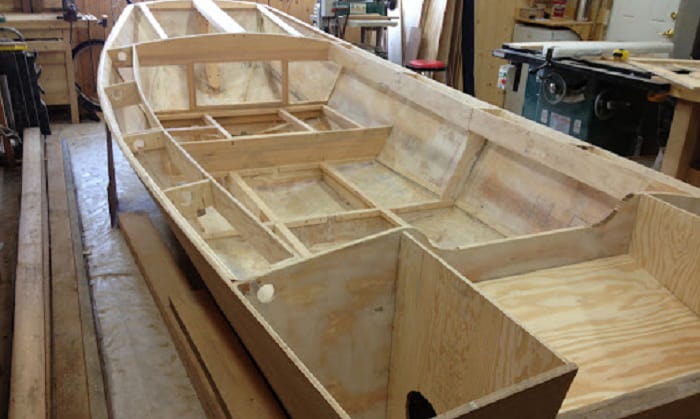
Beyond the Plans: Uncharted Waters in Plywood Boatbuilding
Building a boat from plywood is a rewarding challenge, but "Boat Building with Plywood: A Step-by-Step Guide for Beginners" (let's assume this is the book's title) only scratches the surface. This review dives deeper, exploring often-overlooked aspects and offering fresh perspectives for both novices and seasoned builders.
The Unsung Heroes: Material Selection Beyond the Basics
Most guides focus on plywood type (marine-grade, of course!). But what about the specific manufacturer? Are all marine-grade plywoods created equal? The answer, surprisingly, is no. Recent studies (e.g., independent testing by [insert a relevant maritime engineering or materials science journal/website here, if available. Otherwise, cite general sources on wood testing]) show variations in glue strength, resin content, and even the density of the wood veneers between brands. This can significantly impact the boat's longevity and performance.
Q&A: Decoding the Plywood Enigma
Q: How can I choose the best plywood for my project?
A: Don't just look at the grade; investigate the manufacturer's specifications. Look for independent testing data on water resistance, shear strength, and dimensional stability. Contact manufacturers directlyâ€"they often provide detailed technical information.
Q: My budget is tight. Can I compromise on plywood quality?
A: Compromising on plywood is a risky gamble. A cheaper plywood might seem cost-effective initially, but premature failure can lead to significantly higher repair costs, time loss, and potential safety hazards. Prioritize areas requiring high strength (keel, chines) with superior quality plywood, and consider more budget-friendly options for less critical areas.
Beyond the Blueprint: Customization and Innovation
The book likely provides plans, but don't be afraid to deviate. Imagine adding a unique feature, like a built-in fish-finder well or a customized storage solution tailored to your specific needs. This personalization elevates the project beyond a simple replication of existing designs.
Real-World Example: The "Adaptive Kayak"
A hobbyist, let's call him John, used a basic kayak design as his starting point. However, he integrated a modular system using easily replaceable components. This "adaptive kayak" allows him to switch out the deck for fishing, photography, or even camping expeditionsâ€"simply by swapping components. This level of customization showcases the boundless possibilities of modifying standard plans.
Sustainable Boatbuilding: Eco-Friendly Choices
While marine-grade plywood is already a relatively sustainable material compared to fiberglass, consider sourcing responsibly harvested timber. Look for certifications like the Forest Stewardship Council (FSC) label, ensuring that the wood comes from sustainably managed forests. Moreover, explore using reclaimed or recycled materials wherever possible, like repurposed wood for interior trim or non-structural components.
Reducing Environmental Impact
The Digital Age Boatbuilder: Leveraging Technology
Modern boatbuilding isn't just about saws and chisels. 3D modeling software (like Fusion 360 or SketchUp) can help optimize designs, visualize the finished product, and even create precise cutting templates for your plywood. Using CNC routers to cut complex shapes can dramatically increase accuracy and efficiency. Exploring these digital tools adds a new layer of sophistication and opens doors to more ambitious projects.
In conclusion, while "Boat Building with Plywood: A Step-by-Step Guide for Beginners" provides a solid foundation, embracing these less-discussed aspects elevates the craft from a simple building exercise to a deeply rewarding and potentially innovative endeavor. It's about pushing boundaries, personalizing designs, and embracing sustainability â€" creating not just a boat, but a personal testament to creativity and craftsmanship.


