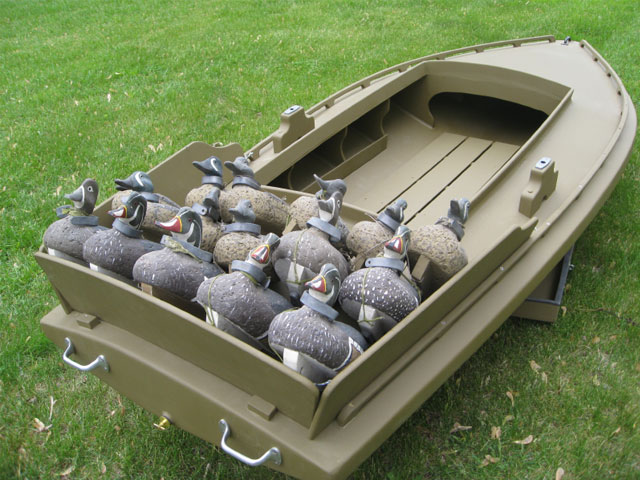
Building a Custom Duck Boat with Flexible and Strong Materials
A duck boat, with its shallow draft and maneuverability, is an indispensable tool for waterfowl hunters and anglers alike. While commercially available duck boats abound, constructing your own offers the unique satisfaction of crafting a vessel tailored to your specific needs and preferences. This guide will explore the use of flexible and strong materials to build a custom duck boat, ensuring both durability and adaptability.
Choosing the Right Materials
The heart of any successful duck boat lies in the material selection. Flexibility and strength are paramount, allowing the boat to withstand the rigors of navigating shallow waters, navigating through dense vegetation, and transporting heavy payloads.
Hull Material
- Hypalon or Neoprene Coated Fabric: These materials are renowned for their abrasion resistance, UV stability, and exceptional flexibility. They can be easily repaired in the field, making them ideal for demanding conditions.
- High-Density Polyethylene (HDPE): This durable plastic offers excellent impact resistance and a smooth, low-friction surface. HDPE is also known for its chemical resistance, making it suitable for use in saltwater environments.
- Aluminum: Although not as flexible as the aforementioned options, aluminum offers exceptional strength and longevity. It is also lightweight and readily available.
Frame Material
- Aluminum: Lightweight and corrosion-resistant, aluminum tubing provides a strong backbone for the boat's frame.
- Fiberglass Reinforced Plastic (FRP): FRP offers excellent strength-to-weight ratio and can be molded into complex shapes. However, it is less flexible than aluminum.
- Wood: Although requiring more maintenance, wood can be a suitable option for the frame, especially if you prefer a more traditional look and feel.
Design Considerations
Before embarking on the construction process, meticulous design planning is crucial. Consider the following factors:
Size and Capacity
Determine the boat's overall dimensions, including length, width, and depth. Consider the number of passengers and the amount of gear you intend to carry.
Hull Shape
A shallow V-hull provides stability and maneuverability, while a flat bottom offers greater stability in shallow water. Choose a hull shape that aligns with your intended usage.
Power Source
Decide whether you will use an electric motor, gas motor, or a combination of both. The power source will influence the frame design and the boat's overall weight.
Deck Layout
Plan the placement of seats, storage compartments, and other essential features. Ensure the layout maximizes usability and comfort.
Construction Process
Once you have finalized the design, the construction process can begin. This involves several key steps:
Frame Construction
- Fabricate the Frame: Cut and join the aluminum tubes, FRP panels, or wood beams according to your design specifications.
- Reinforce Connections: Securely fasten the frame components using welding, riveting, or bolting, ensuring robustness and longevity.
Hull Construction
- Layering the Material: If using Hypalon or Neoprene, cut and layer the fabric according to the hull shape. For HDPE, cut and heat-weld the plastic panels together.
- Attaching to the Frame: Secure the hull material to the frame using glue, rivets, or other suitable methods. Ensure a watertight seal.
- Adding Stiffeners: Reinforce the hull with additional layers of material or stiffening ribs to enhance structural integrity.
Finishing Touches
- Install Decking: Construct a durable and comfortable deck from plywood, aluminum, or FRP panels.
- Add Seating and Storage: Install seats, storage compartments, and other features according to your design preferences.
- Paint or Cover: Apply a protective coating or cover to the hull to enhance its appearance and longevity.
Tips for Success
To ensure a successful duck boat construction project, consider these tips:
- Research and Planning: Thorough research and meticulous planning are essential. Consult with experienced boat builders or seek online resources for guidance.
- High-Quality Materials: Invest in high-quality, durable materials to ensure the boat's longevity and performance.
- Safety First: Always prioritize safety during construction. Use proper tools and safety equipment.
- Seek Expert Advice: Do not hesitate to seek advice from experienced boat builders or professionals when needed.
Conclusion
Building a custom duck boat with flexible and strong materials is a rewarding endeavor. By meticulously planning, selecting high-quality materials, and following a well-defined construction process, you can craft a unique and durable vessel that meets your specific needs and preferences. Remember to prioritize safety, seek expert advice when necessary, and enjoy the satisfaction of building your own duck boat.


