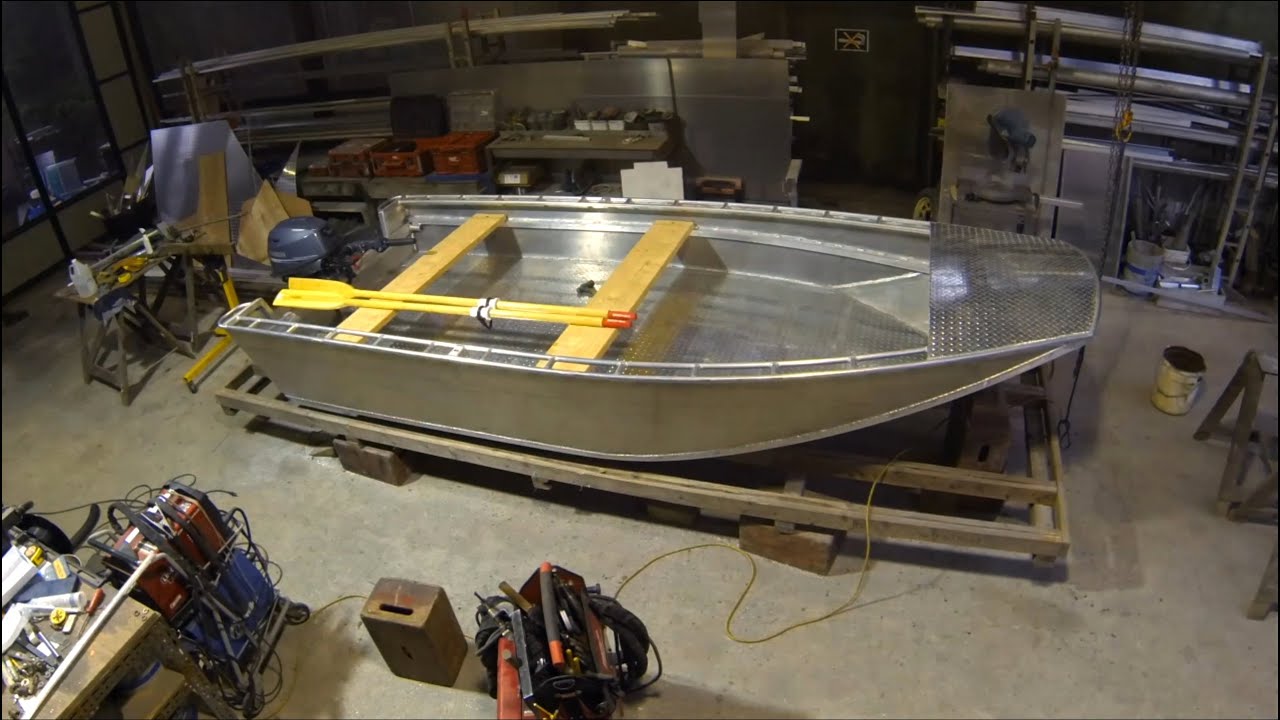
Beyond the Rivets: Unconventional Insights from "How to Build an Aluminum Boat with Detailed and Accurate Plans"
Building a boat is a monumental task, and tackling it in aluminum presents unique challenges and rewards. "How to Build an Aluminum Boat with Detailed and Accurate Plans" (let's call it "the book" for brevity) provides a solid foundation, but what about the nuances, the unexpected twists, and the less-trodden paths? This review delves beyond the standard instruction manual, exploring rarely discussed aspects relevant to hobbyists, professionals, and educational institutions alike.
The Unsung Heroes: Material Selection and Sourcing
The book rightly emphasizes the importance of aluminum alloy selection. But what about the often-overlooked aspect of sourcing? Where do you find the *right* aluminum sheets? Not just any supplier will do. Quality varies drastically.
Q: How can I ensure I'm getting the best aluminum for my boat project?
A: Don't solely rely on advertised specifications. Request material test reports (MTRs) from your supplier, verifying the alloy's precise composition and mechanical properties. Look for reputable suppliers with established track records and consider visiting their facilities if possible to assess their quality control processes. Furthermore, consider the origin of the aluminum. Recycled aluminum, while environmentally friendly, might have slightly different characteristics that need to be factored into your plans. This is rarely discussed, but can significantly influence the outcome.
Beyond the Blueprint: Adapting to Your Skillset and Resources
The book offers detailed plans, but boatbuilding is as much art as science. Experienced builders often modify plans to suit their skills and available tools. What about the beginner?
Q: I'm a novice. How can I adapt the book's plans for my limited skillset?
A: Don't be intimidated. Start small. Instead of building the entire boat from scratch, consider building a smaller component first â€" say, a section of the hull â€" to gain experience with the techniques. This allows for iterative learning and avoids potential costly mistakes on a larger scale. Furthermore, consider partnering with a more experienced builder for mentorship. Many local boat clubs or community workshops provide access to both knowledge and tools.
The Environmental Footprint: Sustainable Boatbuilding
While aluminum is recyclable, its production has an environmental impact. How can we build responsibly?
Q: How can I minimize the environmental impact of my aluminum boat project?
A: Prioritize sourcing recycled aluminum. Minimize waste by carefully planning your cuts and utilizing scraps creatively for smaller components. Research environmentally friendly coatings and sealants. Explore the use of renewable energy sources during the construction process, where feasible. Even seemingly small choices add up to significant environmental gains over the life of the boat.
A Real-World Example: Learning from Mistakes
I know a hobbyist who followed the book religiously, but encountered unexpected problems. He underestimated the importance of proper rivet placement during hull construction. This resulted in leaks, requiring significant rework. This highlights the importance of meticulous planning and execution.
The key takeaway: "How to Build an Aluminum Boat with Detailed and Accurate Plans" provides excellent instruction. However, successful boatbuilding involves more than simply following plans. Understanding material sourcing, adapting to individual skill levels, and minimizing environmental impact are crucial elements often overlooked. This review encourages a more holistic and proactive approach, urging builders to think critically and creatively, transforming the construction process into a rewarding and enriching experience.


