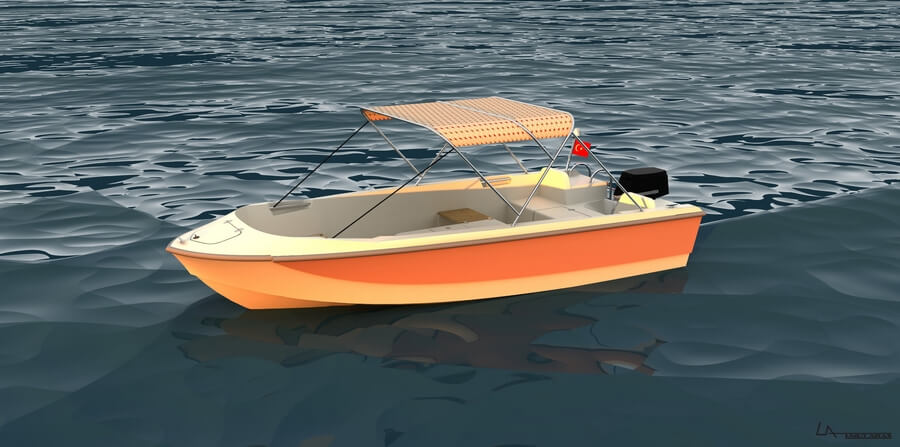
Beyond the Blueprint: Unleashing Creativity in Small Boat Customization
Building a boat from plans is rewarding, but truly making it *yours* requires venturing beyond simple modifications. This article dives into the often-overlooked aspects of customizing small boat plans, exploring innovative approaches for hobbyists, builders, and educators alike. We'll move beyond the surface level, tackling questions that rarely get askedâ€"and even rarer, answered.
Beyond the Hull: Rethinking Design Fundamentals
Q: Can I significantly alter the boat's intended purpose without compromising structural integrity?
A: Absolutely! While changing the length or beam dramatically requires expert structural calculations (and might necessitate starting from scratch), subtle shifts are possible. Think about a fishing boat design. Could you adapt it for leisurely paddling by incorporating a lower-profile deck and modifying the seating arrangement? Or perhaps convert a simple rowboat plan into a small sailing vessel by integrating a simple mast and sail systemâ€"carefully calculating the added stress on the hull, of course. The key is incremental changes and rigorous analysis using free software like FreeCAD or dedicated marine engineering tools. Remember to consult resources like the "Boatbuilding" magazine for relevant articles and best practices.
Q: How can I integrate modern materials and techniques without compromising the "classic" aesthetic?
A: This is where creativity truly shines! Consider using advanced composites like carbon fiber or fiberglass reinforcements in strategic areas for enhanced strength and reduced weight, while maintaining the overall wooden aesthetic of a classic design. Imagine a traditionally-styled dory with a subtly integrated carbon fiber keel for improved stability. Modern epoxy resins offer a superior bond compared to traditional glues, enhancing durability, while allowing for a cleaner, more refined look.
Personalizing the Experience: Beyond the Specifications
Q: How can I personalize the boat's ergonomics to perfectly fit my body type and boating style?
A: Generic plans rarely account for individual differences. Before building, carefully consider your height, weight, and typical rowing/sailing posture. Adjust the seat height and position, the placement of oars or tiller, and even the shape of the gunwales for optimal comfort. Prototyping using readily available materials like cardboard or foam can help visualize these adjustments before committing to the final build.
Case Study: The "Adaptive Angler"
A local boat builder, John, adapted a small fishing skiff plan for a client with mobility limitations. Instead of simply building the boat according to the plans, John incorporated a customized swivel seat, wider side decks for easier boarding, and a lower-profile hull for enhanced stability. The result? A functional and accessible boat perfectly tailored to the client's needs. This shows how seemingly minor modifications can make a huge difference in usability.
Educational Applications and Future Trends
Customizing boat plans offers an incredible educational opportunity. Students can learn about structural engineering, material science, and design thinking through a hands-on project. Incorporating 3D modeling software into the curriculum allows for virtual prototyping and iterative design, providing a deeper understanding of the design process and enabling experimentation with various materials and configurations before the physical construction begins. Furthermore, exploring sustainable building materials such as reclaimed wood and bio-based composites will be crucial in the coming years, creating a richer learning experience focused on environmental responsibility.
By challenging conventional approaches and embracing innovation, the seemingly straightforward task of building a boat from plans transforms into an exciting journey of personal expression and skillful craftsmanship. The possibilities are as limitless as the water itself.


