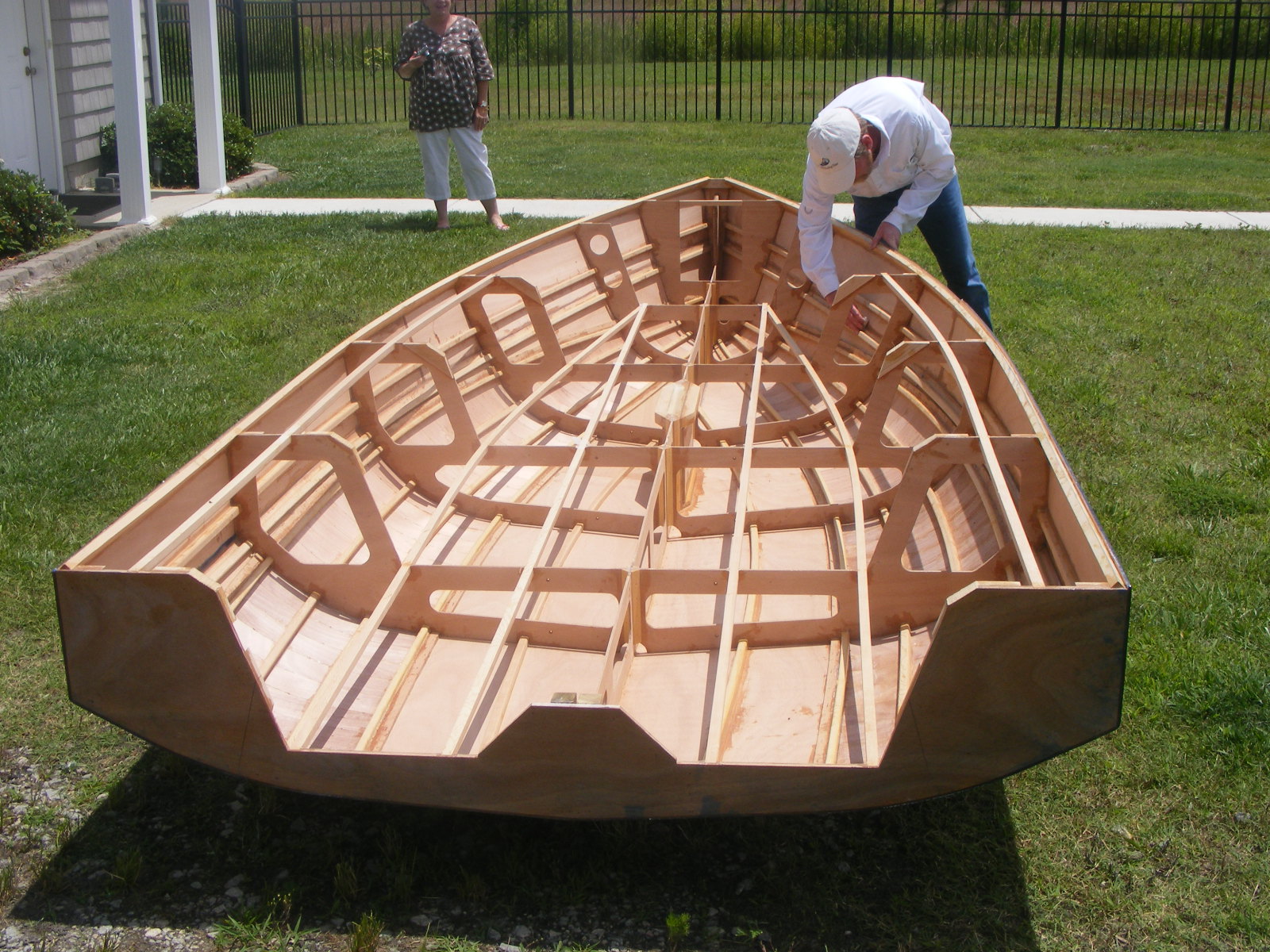
Beyond the Plans: Unveiling Hidden Gems in Wooden Boat Building
Building a wooden boat is a journey, not just a project. "How to Build a Wooden Boat with Simple and Easy-to-Follow Plans" offers a roadmap, but navigating that journey requires more than just following instructions. This review delves beyond the surface, exploring often-overlooked aspects and offering new perspectives for both seasoned craftsmen and enthusiastic beginners.
The Unsung Hero: Wood Selection and its Impact
Most plans focus on the "what" of wood selection (e.g., cedar, oak), but rarely delve into the "why" and "how" with the depth needed. This is crucial because wood properties dramatically influence the boat’s performance and longevity. Let's explore this further:
Q: Beyond the species, what specific qualities should I prioritize in my wood selection?
A: The answer isn't always readily apparent in basic plans. Consider these lesser-known factors:
- Growth rate: Slow-grown wood has tighter grain, resulting in greater strength and durability. Look for certification or provenance information that confirms this.
- Moisture content: This dramatically affects wood movement. Using kiln-dried lumber reduces warping and cracking, but requires careful acclimatization to prevent further changes once the boat is built. Proper moisture monitoring throughout the building process is essential â€" invest in a reliable moisture meter.
- Specific gravity: This relates to density and strength. Higher specific gravity equals a stronger boat, but might also increase weight. Balance these factors based on your design goals.
The Art of the Joint: Beyond Basic Techniques
While the plans provide fundamental joinery, mastering advanced techniques can significantly elevate your boat's structural integrity and aesthetic appeal. Let's examine this critical aspect:
Q: How can I minimize potential weaknesses in traditional joints, considering real-world stresses?
A: Most plans show basic lap joints or mortise and tenon. However, understanding the mechanical properties of each joint and how stresses are distributed is crucial. Consider these enhancements:
- Scarph joints reinforced with epoxy: This strengthens traditionally weaker joints by increasing the surface area and adding a robust adhesive bond. Recent research highlights epoxy’s superior performance in marine environments compared to traditional wood glue (e.g., studies on marine-grade epoxy durability from publications like the Journal of Composites Science).
- Through-bolting critical joints: This provides extra security against racking and twisting forces, especially in areas subjected to high stress (e.g., stem to keel). Proper hole-drilling techniques and selection of corrosion-resistant fasteners are paramount.
Beyond the Blueprint: The Unexpected Challenges and Creative Solutions
Building a wooden boat inevitably presents unforeseen challenges. Here's where experience and resourcefulness come into play. A real-world example helps illustrate:
Story: A friend recently encountered a problem with his timber â€" a significant knot appeared unexpectedly in a critical part of the keel. Simply replacing the piece wasn’t feasible due to the custom cut. His innovative solution? He used a combination of epoxy reinforcement, carbon fiber patching, and meticulous fairing to strengthen the weakened area. The result was a stronger keel than originally planned, proving that challenges can lead to unique solutions.
This highlights the importance of adaptability and problem-solving skills, often underrepresented in instructional materials. Embrace the unexpected and trust your abilities to find creative fixes. The final product is often more rewarding because of the unique challenges overcome.
In conclusion, "How to Build a Wooden Boat with Simple and Easy-to-Follow Plans" provides a solid foundation. However, success hinges on a deeper understanding of wood properties, advanced joinery techniques, and the ability to adapt to unexpected challenges. By focusing on these often-overlooked aspects, boat builders can create not just a functional vessel, but a testament to their craftsmanship and resilience.


