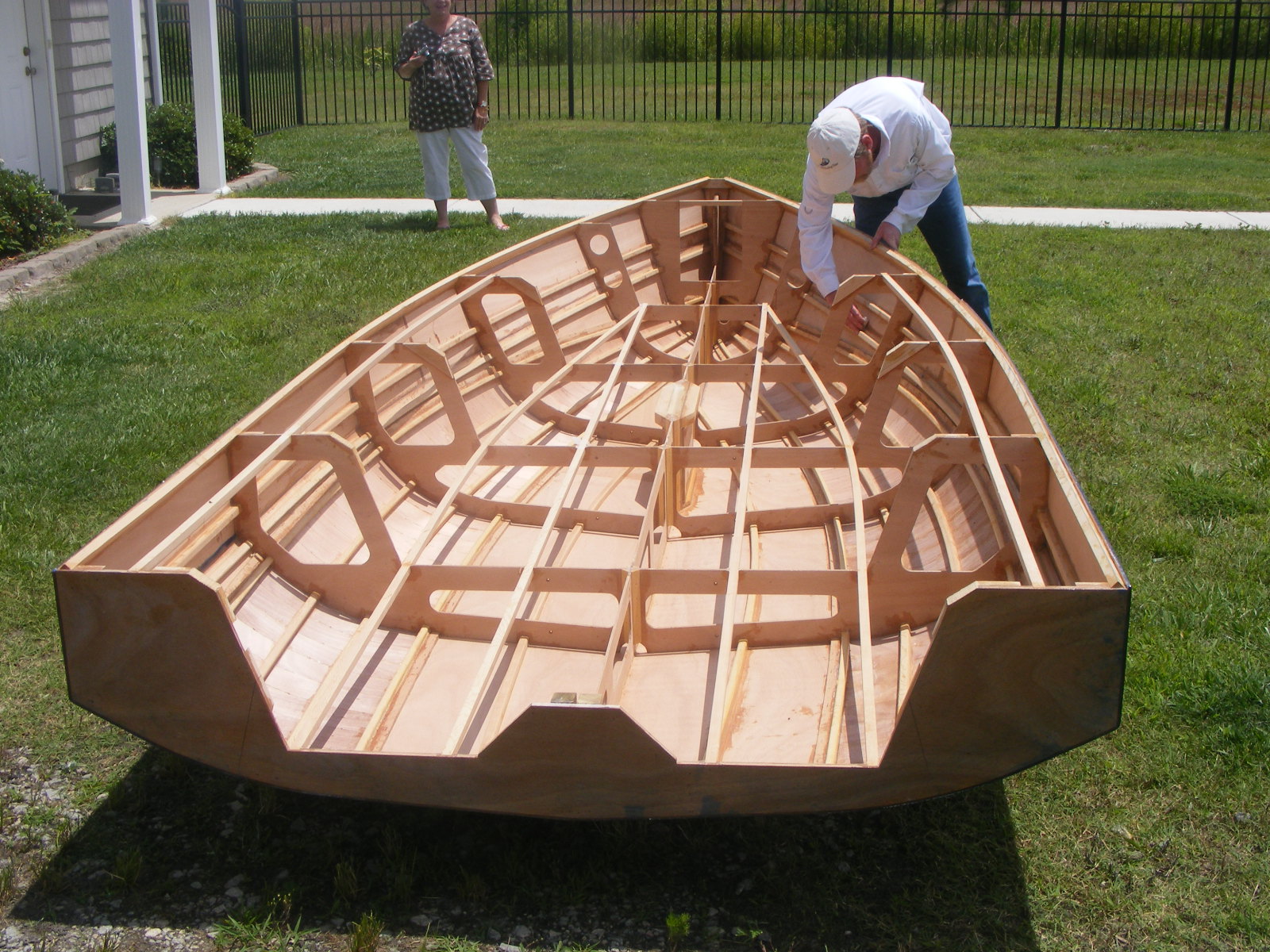
Beyond the Plans: Unveiling Hidden Gems in Plywood Boat Building
Plywood boat building, a craft steeped in tradition, often presents itself as a straightforward process: follow the plans, cut the wood, glue, and fasten. But what lies beyond the well-trodden path? This review of "Plywood Boat Building: A Step-by-Step Guide for Beginners" (assuming such a guide exists; replace with actual book title if different) delves into less-discussed aspects, offering fresh perspectives for both novices and seasoned builders.
The Unsung Heroes: Material Selection and Beyond
Most guides focus on the *type* of plywood, but rarely delve into the *source* and its impact. This is where the real artistry begins.
Q: How can the source of my plywood significantly influence the final product?
A: Consider this: plywood from sustainably harvested forests not only reduces your environmental impact but can also offer superior consistency in grain and strength. Look for certifications like FSC (Forest Stewardship Council) to ensure responsible sourcing. Further, variations in the manufacturing process (e.g., pressing techniques) affect the plywood's long-term performance, durability, and resistance to water damage. A seemingly small detail like the glue used in the plywood's construction can massively affect its longevity in a marine environment. Researching these aspects transforms material selection from a simple checklist into a strategic decision.
Beyond the Blueprint: Designing for Your Skillset and Context
While plans are invaluable, rigidly adhering to them can stifle creativity and adaptability.
Q: My dream boat is slightly different from the plans. How can I make informed modifications without compromising structural integrity?
A: This is where a good understanding of fundamental boat design principles is crucial. Instead of just following lines on paper, consider the forces acting on the vessel â€" buoyancy, stability, and stress points. Minor alterations, like adjusting the freeboard or modifying the seating arrangement, might require consulting with experienced boat builders or naval architects, particularly before committing to significant changes. Online forums and communities dedicated to boatbuilding can provide invaluable feedback and insights from experienced members.
Story Time: The Case of the Mismatched Hull
A friend attempted a restoration project based on a vintage design. He found the original plans incomplete and his limited experience led to some crucial measurement errors in the hull's construction. He compensated for these by using a clever combination of advanced epoxy resin filler and fiberglass cloth in critical areas, effectively creating a self-designed reinforcement system. The result? A beautifully restored boat, but only because he understood the stresses and vulnerabilities of the hull and creatively adapted to his mistakes. This illustrates that adaptability and problem-solving skills are as essential as precision woodworking.
Finishing Touches: Going Beyond the Basics
Most guides cover basic sealing and painting, but the world of marine finishes is vast and often overlooked.
Q: How can I ensure my boat's longevity and beauty against the harsh marine environment?
A: The choice of finish is critical. While traditional varnish offers a beautiful aesthetic, its maintenance demands are high. Modern epoxy-based coatings, combined with meticulous preparation, offer exceptional durability and water resistance, potentially lasting significantly longer between re-coatings. Research different technologies, such as UV-resistant topcoats and self-leveling paints, to determine what best suits your budget and aesthetic preferences. Consider incorporating environmentally friendly and bio-based options, aligned with sustainability goals.
Conclusion: Embracing the Uncharted Waters
Plywood boatbuilding is more than just following instructions; it's a journey of discovery, adaptation, and problem-solving. By venturing beyond the standard guide, embracing material science, adapting designs to individual skills, and exploring innovative finishing techniques, you can unlock a deeper appreciation for this rewarding craft. The boat you build will not only reflect your technical skills but also your individual creativity and resourcefulness.


