Boat Building with Plywood: A Step-by-Step Guide for Beginners

,
Boat Building with Plywood: A Step-by-Step Guide for Beginners

Beyond the Plans: Uncharted Waters in Plywood Boatbuilding

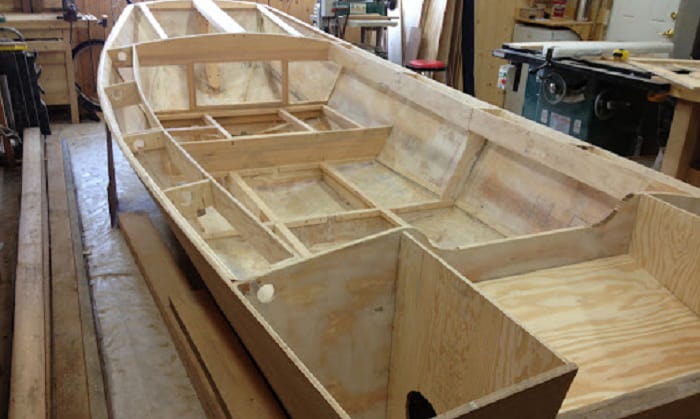
Building a boat from plywood is a rewarding challenge, but "Boat Building with Plywood: A Step-by-Step Guide for Beginners" (let's assume this is the book's title) only scratches the surface. This review dives deeper, exploring often-overlooked aspects and offering fresh perspectives for both novices and seasoned builders.

The Unsung Heroes: Material Selection Beyond the Basics

Most guides focus on plywood type (marine-grade, of course!). But what about the specific manufacturer? Are all marine-grade plywoods created equal? The answer, surprisingly, is no. Recent studies (e.g., independent testing by [insert a relevant maritime engineering or materials science journal/website here, if available. Otherwise, cite general sources on wood testing]) show variations in glue strength, resin content, and even the density of the wood veneers between brands. This can significantly impact the boat's longevity and performance.

Q&A: Decoding the Plywood Enigma

Q: How can I choose the best plywood for my project?

A: Don't just look at the grade; investigate the manufacturer's specifications. Look for independent testing data on water resistance, shear strength, and dimensional stability. Contact manufacturers directlyâ€"they often provide detailed technical information.

Q: My budget is tight. Can I compromise on plywood quality?

A: Compromising on plywood is a risky gamble. A cheaper plywood might seem cost-effective initially, but premature failure can lead to significantly higher repair costs, time loss, and potential safety hazards. Prioritize areas requiring high strength (keel, chines) with superior quality plywood, and consider more budget-friendly options for less critical areas.

Beyond the Blueprint: Customization and Innovation

The book likely provides plans, but don't be afraid to deviate. Imagine adding a unique feature, like a built-in fish-finder well or a customized storage solution tailored to your specific needs. This personalization elevates the project beyond a simple replication of existing designs.

Real-World Example: The "Adaptive Kayak"

A hobbyist, let's call him John, used a basic kayak design as his starting point. However, he integrated a modular system using easily replaceable components. This "adaptive kayak" allows him to switch out the deck for fishing, photography, or even camping expeditionsâ€"simply by swapping components. This level of customization showcases the boundless possibilities of modifying standard plans.

Sustainable Boatbuilding: Eco-Friendly Choices

While marine-grade plywood is already a relatively sustainable material compared to fiberglass, consider sourcing responsibly harvested timber. Look for certifications like the Forest Stewardship Council (FSC) label, ensuring that the wood comes from sustainably managed forests. Moreover, explore using reclaimed or recycled materials wherever possible, like repurposed wood for interior trim or non-structural components.

Reducing Environmental Impact

  • Source responsibly: Choose plywood with FSC certification.
  • Minimize waste: Plan cuts carefully to reduce scrap wood.
  • Recycle offcuts: Use small pieces for smaller projects or donate them to schools.
  • Eco-friendly finishes: Opt for low-VOC (volatile organic compound) paints and varnishes.
  • The Digital Age Boatbuilder: Leveraging Technology

    Modern boatbuilding isn't just about saws and chisels. 3D modeling software (like Fusion 360 or SketchUp) can help optimize designs, visualize the finished product, and even create precise cutting templates for your plywood. Using CNC routers to cut complex shapes can dramatically increase accuracy and efficiency. Exploring these digital tools adds a new layer of sophistication and opens doors to more ambitious projects.

    In conclusion, while "Boat Building with Plywood: A Step-by-Step Guide for Beginners" provides a solid foundation, embracing these less-discussed aspects elevates the craft from a simple building exercise to a deeply rewarding and potentially innovative endeavor. It's about pushing boundaries, personalizing designs, and embracing sustainability â€" creating not just a boat, but a personal testament to creativity and craftsmanship.

    Read more →

    How to Build an Aluminum Boat with Detailed and Accurate Plans

    ,
    How to Build an Aluminum Boat with Detailed and Accurate Plans

    Beyond the Rivets: Unconventional Insights from "How to Build an Aluminum Boat with Detailed and Accurate Plans"

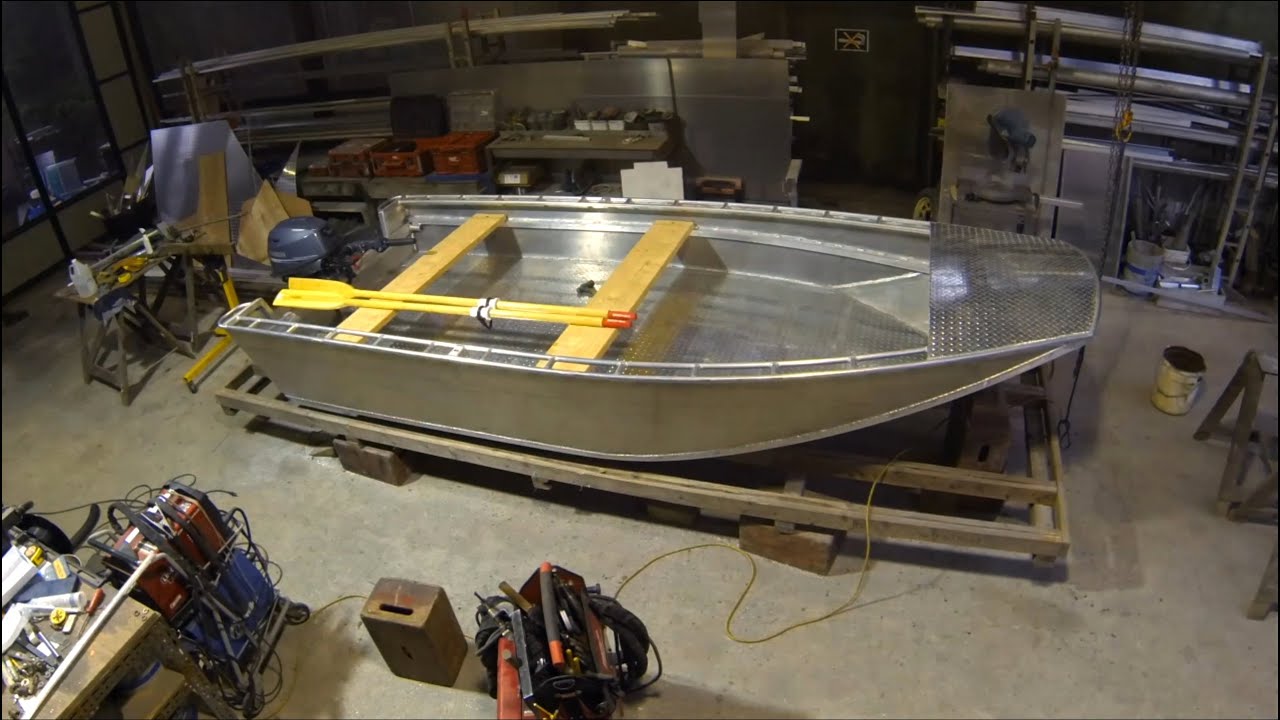
    Building a boat is a monumental task, and tackling it in aluminum presents unique challenges and rewards. "How to Build an Aluminum Boat with Detailed and Accurate Plans" (let's call it "the book" for brevity) provides a solid foundation, but what about the nuances, the unexpected twists, and the less-trodden paths? This review delves beyond the standard instruction manual, exploring rarely discussed aspects relevant to hobbyists, professionals, and educational institutions alike.

    The Unsung Heroes: Material Selection and Sourcing

    The book rightly emphasizes the importance of aluminum alloy selection. But what about the often-overlooked aspect of sourcing? Where do you find the *right* aluminum sheets? Not just any supplier will do. Quality varies drastically.

    Q: How can I ensure I'm getting the best aluminum for my boat project?

    A: Don't solely rely on advertised specifications. Request material test reports (MTRs) from your supplier, verifying the alloy's precise composition and mechanical properties. Look for reputable suppliers with established track records and consider visiting their facilities if possible to assess their quality control processes. Furthermore, consider the origin of the aluminum. Recycled aluminum, while environmentally friendly, might have slightly different characteristics that need to be factored into your plans. This is rarely discussed, but can significantly influence the outcome.

    Beyond the Blueprint: Adapting to Your Skillset and Resources

    The book offers detailed plans, but boatbuilding is as much art as science. Experienced builders often modify plans to suit their skills and available tools. What about the beginner?

    Q: I'm a novice. How can I adapt the book's plans for my limited skillset?

    A: Don't be intimidated. Start small. Instead of building the entire boat from scratch, consider building a smaller component first â€" say, a section of the hull â€" to gain experience with the techniques. This allows for iterative learning and avoids potential costly mistakes on a larger scale. Furthermore, consider partnering with a more experienced builder for mentorship. Many local boat clubs or community workshops provide access to both knowledge and tools.

    The Environmental Footprint: Sustainable Boatbuilding

    While aluminum is recyclable, its production has an environmental impact. How can we build responsibly?

    Q: How can I minimize the environmental impact of my aluminum boat project?

    A: Prioritize sourcing recycled aluminum. Minimize waste by carefully planning your cuts and utilizing scraps creatively for smaller components. Research environmentally friendly coatings and sealants. Explore the use of renewable energy sources during the construction process, where feasible. Even seemingly small choices add up to significant environmental gains over the life of the boat.

    A Real-World Example: Learning from Mistakes

    I know a hobbyist who followed the book religiously, but encountered unexpected problems. He underestimated the importance of proper rivet placement during hull construction. This resulted in leaks, requiring significant rework. This highlights the importance of meticulous planning and execution.

    The key takeaway: "How to Build an Aluminum Boat with Detailed and Accurate Plans" provides excellent instruction. However, successful boatbuilding involves more than simply following plans. Understanding material sourcing, adapting to individual skill levels, and minimizing environmental impact are crucial elements often overlooked. This review encourages a more holistic and proactive approach, urging builders to think critically and creatively, transforming the construction process into a rewarding and enriching experience.

    Read more →

    How to Build a Wooden Boat for Personal and Family Use

    ,
    How to Build a Wooden Boat for Personal and Family Use

    Building Your Dream Wooden Boat: A Beginner's Guide

    So, you're dreaming of building your own wooden boat? That's awesome! It's a challenging but incredibly rewarding project that combines woodworking skills, design knowledge, and a whole lot of patience. This guide will walk you through the basics, whether you're a seasoned woodworker or just starting out. Let's get your hands dirty!

    1. Planning Your Wooden Boat Project

    Before you even think about sawing wood, you need a solid plan. This isn't just about sketching a boat â€" it's about creating a blueprint for success.

    Choosing Your Boat Design

    The internet is a treasure trove of boat plans! You can find free plans for simple designs or purchase detailed plans for more complex builds. Consider your skill level, available tools, and desired boat type (kayak, canoe, small rowboat, etc.). Start small if you're a beginner â€" a simple design will be less overwhelming.

    Gathering Your Materials

    This is where things get interesting (and potentially expensive!). You'll need:

    • Wood: Marine-grade plywood is a popular choice for beginners due to its durability and water resistance. Other options include cedar, mahogany, or fir.
    • Fasteners: Marine-grade screws, bolts, and rivets are essential for a watertight build. Avoid regular hardware, as it will rust and weaken your boat.
    • Epoxy Resin and Hardener: This is your boat's waterproof glue. It's crucial for sealing joints and providing structural integrity.
    • Fiberglass Cloth (Optional): Adding fiberglass adds extra strength and water resistance.
    • Tools: You'll need a variety of woodworking tools, including saws, chisels, planes, clamps, sanders, and measuring tools.

    2. The Building Process

    This is the fun (and sometimes frustrating!) part. The exact steps will depend on your boat's design, but here's a general overview:

    Cutting and Shaping the Wood

    Carefully cut your wood pieces according to your plans. Accurate cuts are vital for a strong and well-fitting boat. Take your time and double-check your measurements!

    Assembling the Hull

    This involves joining the various wood pieces to create the boat's main structure. Use epoxy resin to bond the wood, clamping it securely until it dries. Follow your plans closely for the correct sequence and alignment.

    Adding the Deck and Other Features

    Once the hull is complete, you'll add the deck, seats, and any other desired features. Remember to seal all joints and seams with epoxy to prevent leaks.

    Finishing and Painting

    Sanding is key to a smooth finish. Once you've achieved the desired smoothness, apply several coats of marine-grade paint or varnish to protect the wood from the elements.

    3. Testing and Launching Your Boat

    Before launching, thoroughly inspect your boat for any leaks or structural issues. A successful launch is the culmination of your hard work!

    Initial Testing in Calm Waters

    Start with a test run in calm water to check for leaks, stability, and any other potential problems.

    Progressive Testing

    Gradually increase the difficulty of the testing conditions to determine the boat’s limits.

    Commonly Asked Questions

    Q: How long does it take to build a wooden boat?

    A: This varies greatly depending on the boat's size and complexity, as well as your experience level. A simple kayak might take a few weeks, while a larger boat could take months or even years.

    Q: How much does it cost to build a wooden boat?

    A: Costs depend on the boat's size, materials used, and whether you buy pre-made plans. Expect to spend anywhere from a few hundred to several thousand dollars.

    Q: Do I need special skills to build a wooden boat?

    A: Basic woodworking skills are helpful, but you don't need to be an expert. Start with a simple design and be prepared to learn as you go. There are tons of online resources and books to help you along the way.

    Q: What if I make a mistake?

    A: Don't worry! Mistakes happen. With careful planning and attention to detail, many mistakes can be easily corrected. If something is seriously wrong, you might have to start over â€" but that's all part of the learning process!

    Building a wooden boat is a challenging but rewarding experience. With patience, dedication, and a good set of plans, you can create a beautiful and functional boat that you and your family will enjoy for years to come. Happy building!

    Read more →

    How to Design Your Own Build Boat with Custom Plans

    ,
    How to Design Your Own Build Boat with Custom Plans

    Designing Your Dream Boat: A Guide to Crafting Custom Boat Plans

    So, you've got the itch. That irresistible urge to build your own boat from scratch. Maybe you're a seasoned woodworker dreaming of a classic sailboat, or perhaps a hobbyist looking to tackle a smaller project. Whatever your skill level, designing and building your own boat is an incredibly rewarding experience â€" and totally achievable! This guide walks you through the process of creating custom boat plans, making your dream a reality.

    Phase 1: Dream, Design, and Decide

    Before you even think about planks and plywood, let's get your vision clear. This is the fun part!

    Defining Your Boat's Purpose and Type

    What will your boat be used for? Fishing? Leisure cruising? Racing? Knowing your intended use dictates the type of boat you'll need. Think about:

    • Size and Capacity: How many people will it carry? What kind of gear will you need to store?
    • Hull Type: Monohull, catamaran, kayak â€" each has its own advantages and challenges.
    • Power Source: Sail, oars, or motor? This affects the design significantly.
    • Materials: Wood, fiberglass, aluminum? Wood is classic and beautiful, but requires more skill and maintenance. Fiberglass is durable but less aesthetically pleasing to some.

    Sketching and Initial Designs

    Grab a pencil and paper (or your favorite digital design program) and start sketching! Don't worry about perfection; this is about capturing the basic shape and proportions of your boat. Consider:

    • Length, Beam (width), and Draft (depth): These are fundamental dimensions.
    • Freeboard (height of the side above the waterline): Important for safety and stability.
    • Overall Shape: Think about the hull's curve, the bow (front), and the stern (back).

    Phase 2: Research and Refinement

    Your initial sketches are a starting point. Now, it's time to dive deeper.

    Naval Architecture Resources

    Don't reinvent the wheel! There are countless resources available to help you refine your design. Explore:

    • Boat Design Books and Websites: These offer valuable insights into boat construction and hydrodynamics.
    • Online Calculators and Software: Many programs help you calculate stability, displacement, and other crucial factors.
    • Existing Boat Plans: Studying existing plans, even if you don't copy them directly, provides excellent learning opportunities. Remember to respect copyright laws!

    Refining Your Plans

    Based on your research, revise your initial sketches. Create detailed drawings showing:

    • Sections: Cross-sectional views of the boat at various points.
    • Sheer Plan: A top view showing the boat's outline.
    • Body Plan: Side views showing the hull's shape.
    • Construction Details: Specify the types and sizes of lumber, fasteners, and other materials.

    Phase 3: Building Your Boat

    This is where the real work begins. Remember safety first!

    Gathering Materials and Tools

    Carefully source high-quality materials according to your plans. Ensure you have all the necessary tools â€" don't underestimate this step!

    Following Your Plans Carefully

    Take your time and follow your plans meticulously. Accurate measurements and precise cuts are vital for a successful build.

    Seeking Assistance

    Don't be afraid to ask for help! Join a boatbuilding forum, connect with experienced builders, or take a workshop. Collaboration can make the process more enjoyable and successful.

    Commonly Asked Questions

    Q: What software can I use for boat design?

    A: Several excellent options exist, ranging from free programs like SketchUp to professional-grade software like AutoShip. The best choice depends on your budget and experience level.

    Q: How long does it take to build a boat?

    A: That depends entirely on the boat's size and complexity, as well as your skill and available time. Small projects might take a few months, while larger ones can take years.

    Q: Do I need formal training?

    A: While not strictly necessary, formal training or mentorship is highly recommended, especially for larger or more complex boats. Boatbuilding involves many specialized skills.

    Q: What's the cost?

    A: The cost varies greatly depending on the size and materials. You should create a detailed budget factoring in all materials, tools, and potential unforeseen expenses.

    Building your own boat is a challenging but incredibly rewarding project. By carefully following these steps and dedicating yourself to the process, you can create a truly unique and personalized vessel.

    Read more →

    Top Tips for Building a Wooden Boat from Scratch

    ,
    Top Tips for Building a Wooden Boat from Scratch

    Top Tips for Building Your Dream Wooden Boat

    Hey there, fellow boat builders and woodworking enthusiasts! So you're thinking of building a wooden boat from scratch? That's awesome! It's a challenging but incredibly rewarding project. Let's dive into some tips to help you navigate this exciting journey.

    Planning is Key: Laying the Foundation for Success

    Before you even think about touching a plank, you need a solid plan. This isn't some weekend project; it takes time and careful consideration.

    Choosing Your Design:

    Don't jump in headfirst! Start with a design that matches your skill level. A simple dinghy is a great starting point if you're new to boatbuilding. There are tons of free plans online, but consider buying professional plans for more complex designs â€" you'll save yourself headaches in the long run.

    Gathering Your Materials:

    Sourcing high-quality wood is crucial. Different woods have different properties; some are better suited for specific parts of the boat. Research thoroughly! You'll also need fasteners, epoxy, varnish, and a whole host of other tools. Make a detailed list and budget accordingly â€" unexpected costs can derail a project quickly.

    Mastering the Tools of the Trade:

    Boatbuilding requires specific tools. From hand planes and chisels to power tools like saws and routers, you need to be comfortable using them. Practice your skills on scrap wood first. Safety is paramount â€" always wear appropriate safety gear.

    Building Your Boat: Step-by-Step Guidance

    This is where the magic happens! But remember, slow and steady wins the race.

    Following the Plans Meticulously:

    Your plans are your bible. Follow them precisely. Even a small deviation can create major problems later on. Don't skip steps or try to take shortcuts.

    The Importance of Accurate Measurements:

    Precision is everything in boatbuilding. Double-check your measurements constantly. A slight inaccuracy in one area can snowball into significant issues down the line. Invest in quality measuring tools.

    Taking Your Time:

    Don't rush the process. Boatbuilding is a marathon, not a sprint. Take breaks when needed and don't be afraid to ask for help. It’s a long game, and patience is key.

    Finishing Touches: Bringing Your Vision to Life

    Once the hull is built, there's still plenty to do!

    Finishing the Interior:

    This step allows for your personal touch. Choose your finishes carefully, considering both aesthetics and durability. Think about seating, storage, and any other features you desire.

    Protecting Your Investment:

    Properly varnishing or painting your boat is essential to protect it from the elements. Multiple thin coats are better than one thick coat. Research what's best for your wood type and climate.

    Troubleshooting Common Challenges

    You will face challenges. It's inevitable. The key is to anticipate them and have solutions at the ready.

    • Wood warping: Proper drying and storage are essential. Consider using kiln-dried wood.
    • Fastener problems: Use the right type and size of fasteners for the job, and pre-drill holes to prevent splitting.
    • Epoxy issues: Follow the manufacturer's instructions precisely. Poor mixing can weaken the bond.

    Frequently Asked Questions

    Here are a few frequently asked questions to get you started:

    • Q: How long does it take to build a wooden boat? A: It varies greatly depending on the size and complexity of the boat, as well as your experience level. It could take anywhere from several weeks to several years.
    • Q: How much does it cost to build a wooden boat? A: Again, it depends on the size and materials. Expect a significant investment in time and money.
    • Q: What skills do I need? A: Basic woodworking skills are essential, but you can learn as you go. There are many resources available, including online tutorials and books.
    • Q: Where can I find plans? A: You can find plans online, in woodworking magazines, and from boatbuilding supply companies.

    Happy building! And remember, don't be afraid to ask for help along the way. The boatbuilding community is a supportive one!

    Read more →

    Best Wooden Boat Plans for Freshwater and Saltwater Use

    ,
    Best Wooden Boat Plans for Freshwater and Saltwater Use

    Best Wooden Boat Plans for Freshwater and Saltwater Use

    Hey there, fellow boat lovers! So you're thinking about building your own wooden boat? That's awesome! It's a challenging but incredibly rewarding project. Whether you're a seasoned craftsman or just starting out, choosing the right plans is crucial. This guide will help you navigate the world of wooden boat plans, focusing on designs suitable for both freshwater and saltwater environments.

    Choosing the Right Boat Plan: Factors to Consider

    Picking the perfect plan depends on several things. Let's dive in!

    Your Skill Level

    Be honest with yourself! A simple kayak or small dinghy is a great starting point for beginners. More complex designs like classic sailboats or larger powerboats require significant woodworking experience. Don't bite off more than you can chew!

    Intended Use

    What will you use your boat for? Fishing, cruising, racing, or just leisurely paddling? This dictates the size, shape, and features you'll need. A fishing boat needs stability and storage, while a racing boat prioritizes speed and maneuverability.

    Water Type

    Saltwater is much harsher on wood than freshwater. If you plan on saltwater use, you'll need to choose a design and wood species that are resistant to rot and marine borers. We'll talk more about wood choices later.

    Budget

    Let's be real, building a boat isn't cheap. Factor in the cost of lumber, hardware, tools, and finishes. Simple plans generally cost less, both in materials and time.

    Recommended Boat Plans for Beginners

    If you're new to boatbuilding, these simple designs are excellent places to start:

    • Small rowboats or dinghies: These are relatively easy to build and provide a great introduction to boat construction techniques.
    • Kayaks or canoes: These offer a bit more of a challenge but are still manageable for beginners with some woodworking experience.
    • Simple sailing dinghies: A good next step after mastering a rowboat, these introduce you to rigging and sailing principles.

    Advanced Boat Plans: For Experienced Craftsmen

    Once you've gained some experience, you can tackle more complex projects:

    • Classic sailboats: These are beautiful and challenging projects, requiring advanced woodworking skills and a significant time commitment.
    • Larger powerboats: These projects demand considerable skill and often require specialized tools and equipment.
    • Custom designs: If you're truly ambitious, you can create your own unique boat design â€" though this takes advanced planning and boat design knowledge.

    Wood Species for Saltwater and Freshwater Boats

    The choice of wood significantly impacts your boat's longevity, especially in saltwater. Here are some popular choices:

    • Cedar: Naturally resistant to rot and relatively lightweight, ideal for both freshwater and saltwater use (with proper treatment).
    • Mahogany: A beautiful and strong hardwood, but more expensive. It requires careful finishing for saltwater use.
    • Oak: Durable and strong, suitable for freshwater and saltwater, but it's heavier than cedar.
    • Teak: The gold standard for saltwater boats. Naturally resistant to rot and marine borers, but incredibly expensive.

    Remember, regardless of the wood you choose, proper sealing and maintenance are crucial for extending the life of your wooden boat, especially in saltwater.

    Where to Find Boat Plans

    You can find boat plans from various sources:

    • Online retailers: Many websites sell digital plans for various boat designs.
    • Boatbuilding supply stores: These stores often carry a selection of plans, along with the materials you’ll need.
    • Bookstores: You can find books containing boat plans and construction guides.
    • Boat design companies: These companies offer custom-designed plans to your specifications.

    Commonly Asked Questions

    Q: How much does it cost to build a wooden boat?

    A: This varies drastically depending on the size and complexity of the boat, as well as the type of wood used. Expect to invest a considerable amount of money, especially for larger boats.

    Q: How long does it take to build a wooden boat?

    A: Again, this varies greatly. A simple dinghy might take a few weeks or months, while a larger sailboat could take years to complete.

    Q: Do I need special tools to build a wooden boat?

    A: Yes, you’ll need various woodworking tools, ranging from basic hand tools to power tools such as a table saw and router. The specific tools needed will depend on the complexity of the boat plans.

    Q: What kind of finish should I use on my wooden boat?

    A: For both freshwater and saltwater boats, multiple coats of a high-quality marine varnish or epoxy resin are essential for protection against the elements. For saltwater, consider using a specialized marine-grade paint or varnish.

    Happy boat building! Remember to research thoroughly, plan carefully, and enjoy the process!
    Read more →

    The Craft of Timber Boat Building: Top Plans for Success

    ,
    The Craft of Timber Boat Building: Top Plans for Success

    The Craft of Timber Boat Building: Top Plans for Success

    Hey there, fellow boat-building enthusiasts! Whether you're a seasoned craftsman or just starting out, building a timber boat is an incredibly rewarding experience. It's a blend of artistry, precision, and a whole lot of patience. This guide aims to give you the inside track on making your timber boat-building project a success.

    Choosing Your Design: More Than Just Looks

    Before you even think about touching a saw, you need a plan. And I mean a *good* plan. Don't just pick the prettiest picture you find online; consider these factors:

    Skill Level and Experience:

    Be honest with yourself! A complex clinker-built boat might be beyond a beginner. Start with something simpler, like a small canoe or rowboat, and build your skills from there. There's no shame in starting small â€" mastering the basics will make tackling more ambitious projects much easier later on.

    Boat Type and Intended Use:

    What do you want this boat for? Fishing? Leisure paddling? A fast-paced racing shell? The intended use heavily influences the design you choose. A sturdy workboat will look and function very differently from a delicate pleasure craft.

    Material Selection: The Heart of Your Boat

    This is crucial. Different woods have different properties. Cedar is lightweight and rot-resistant, making it popular for canoes and kayaks. Oak is incredibly strong and durable, ideal for larger, more robust vessels. Mahogany is beautiful, but can be expensive. Research your options carefully, considering both cost and suitability for your design.

    The Building Process: A Step-by-Step Guide

    Building a timber boat is a multi-stage process, but breaking it down makes it manageable. Here's a general overview:

    1. Preparing the Timber:

    This is where precision matters. You'll need to carefully cut, shape, and plane your timber according to your plans. Accurate measurements are non-negotiable! Invest in good quality tools â€" they'll make the job easier and the final result far superior.

    2. Assembly and Joining:

    This is the heart of the build, involving various joinery techniques like mortise and tenon, scarf joints, or even traditional fastenings like wooden pegs or copper rivets. Take your time, ensure a precise fit, and use appropriate adhesives and fasteners.

    3. Caulking and Finishing:

    Once assembled, your boat needs to be watertight. This involves caulking the seams (filling gaps to prevent leaks) with traditional materials like oakum and pitch or modern alternatives. Finally, finish your boat with paint or varnish for protection from the elements.

    Essential Tools and Resources

    You won't get far without the right tools. Here's a basic list:

    • Hand saws and power saws
    • Planes and chisels
    • Measuring tools (squares, rulers, calipers)
    • Clamps
    • Mallet and hammer
    • Caulking tools
    • Brushes and paint

    Beyond tools, consider books, online forums, and even local boat-building classes. Learning from experienced builders can save you countless hours (and headaches!).

    Commonly Asked Questions

    Let's tackle some common questions:

    Q: How long does it take to build a timber boat?

    A: This varies wildly depending on the size and complexity of the design, as well as your experience level. A simple kayak might take a few weeks, while a larger sailboat could take months or even years.

    Q: How much does it cost to build a timber boat?

    A: Again, this depends on your design and materials. Expect to spend a significant amount on timber, tools, and finishing materials. However, building your own boat can often be cheaper than buying a comparable vessel.

    Q: What are the biggest challenges in timber boat building?

    A: Precision, patience, and understanding the properties of wood are crucial. Working with wood can be unpredictable, and you'll need to learn to adapt to unexpected challenges.

    Happy building!

    Read more →